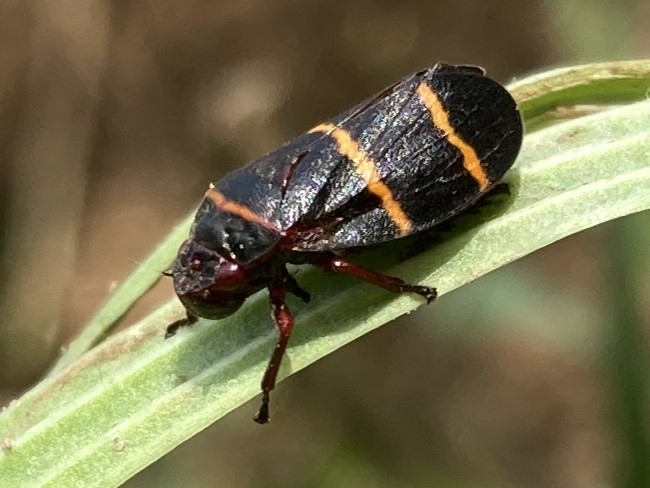
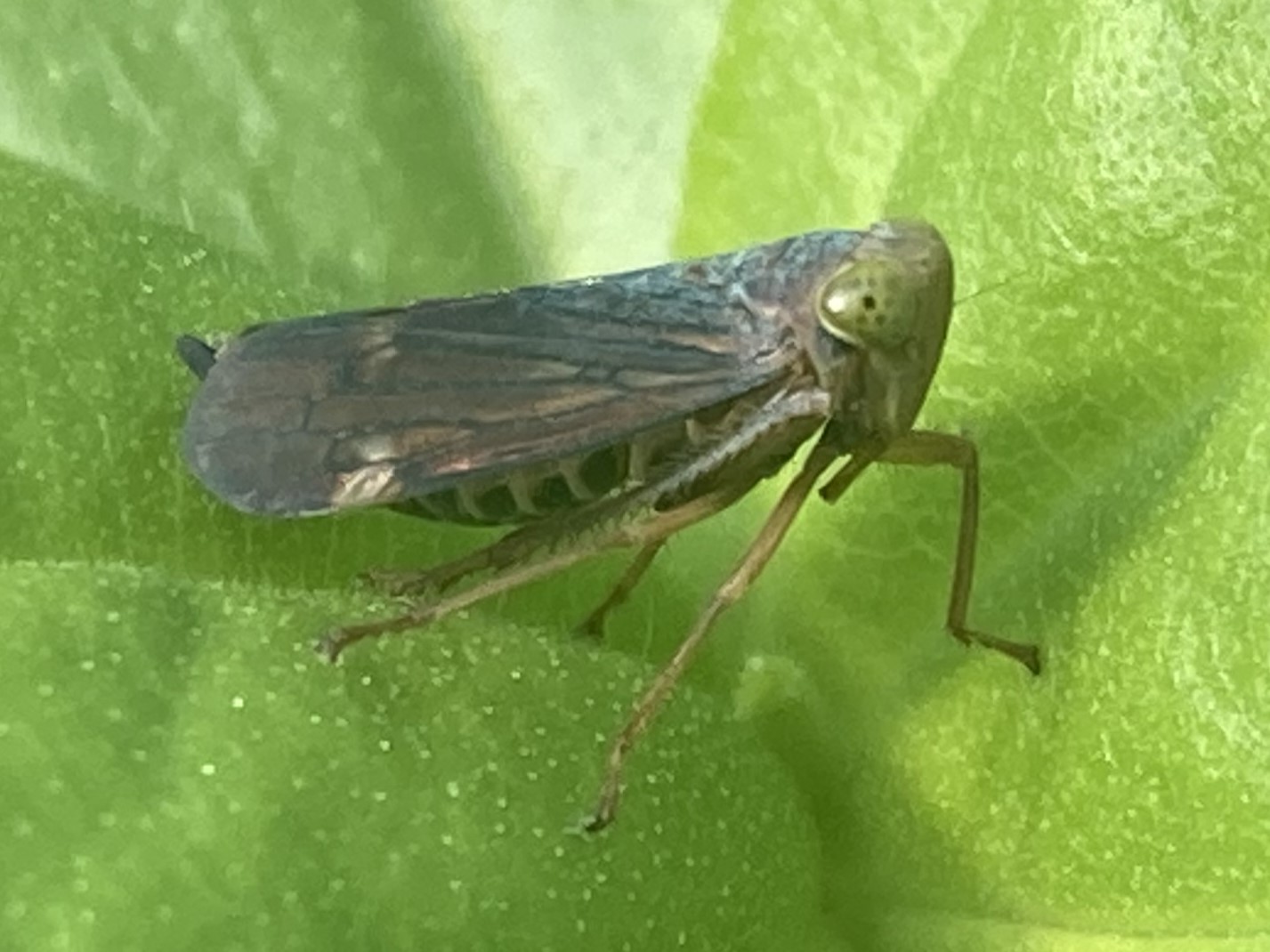
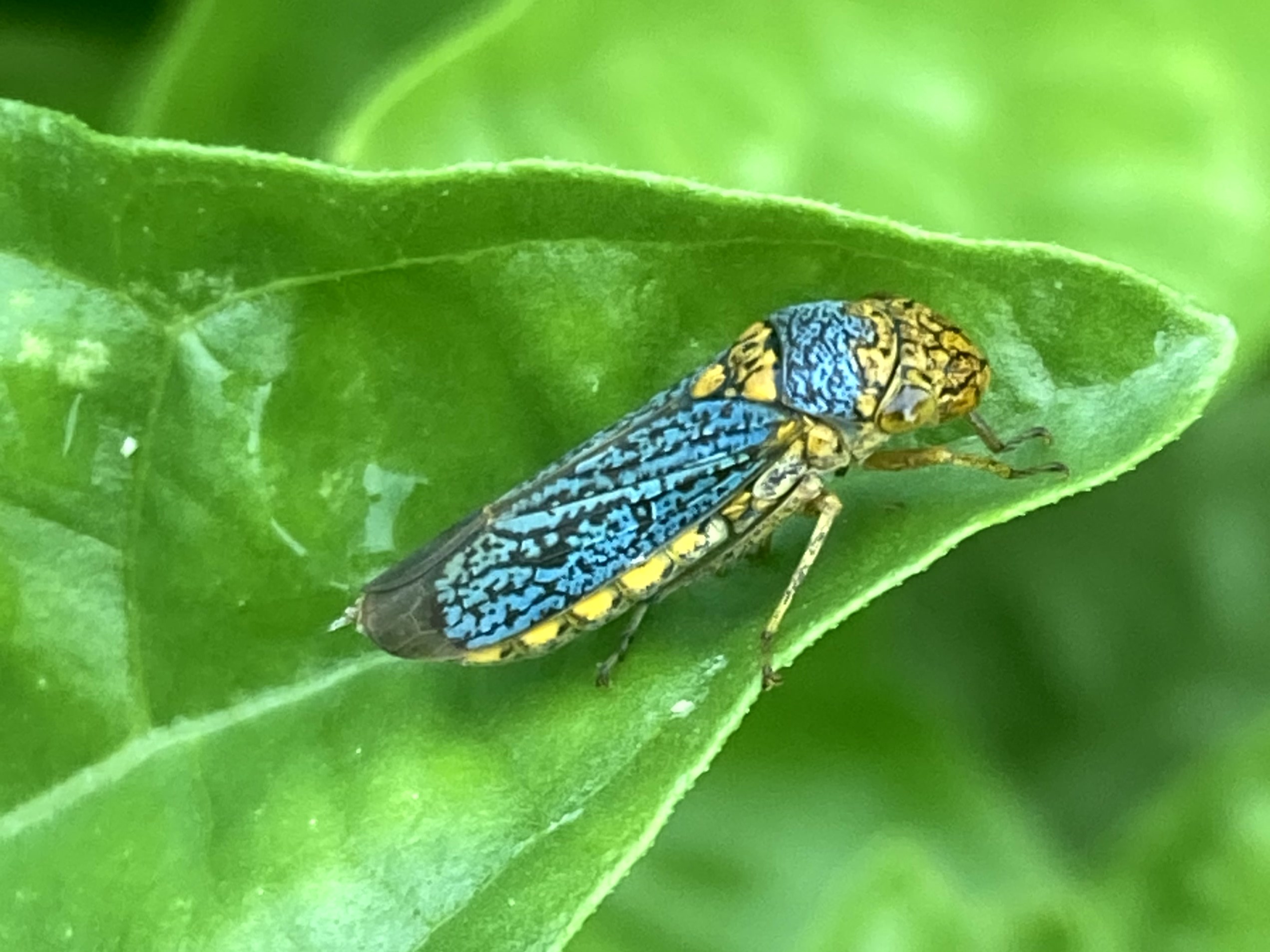
True Bugs
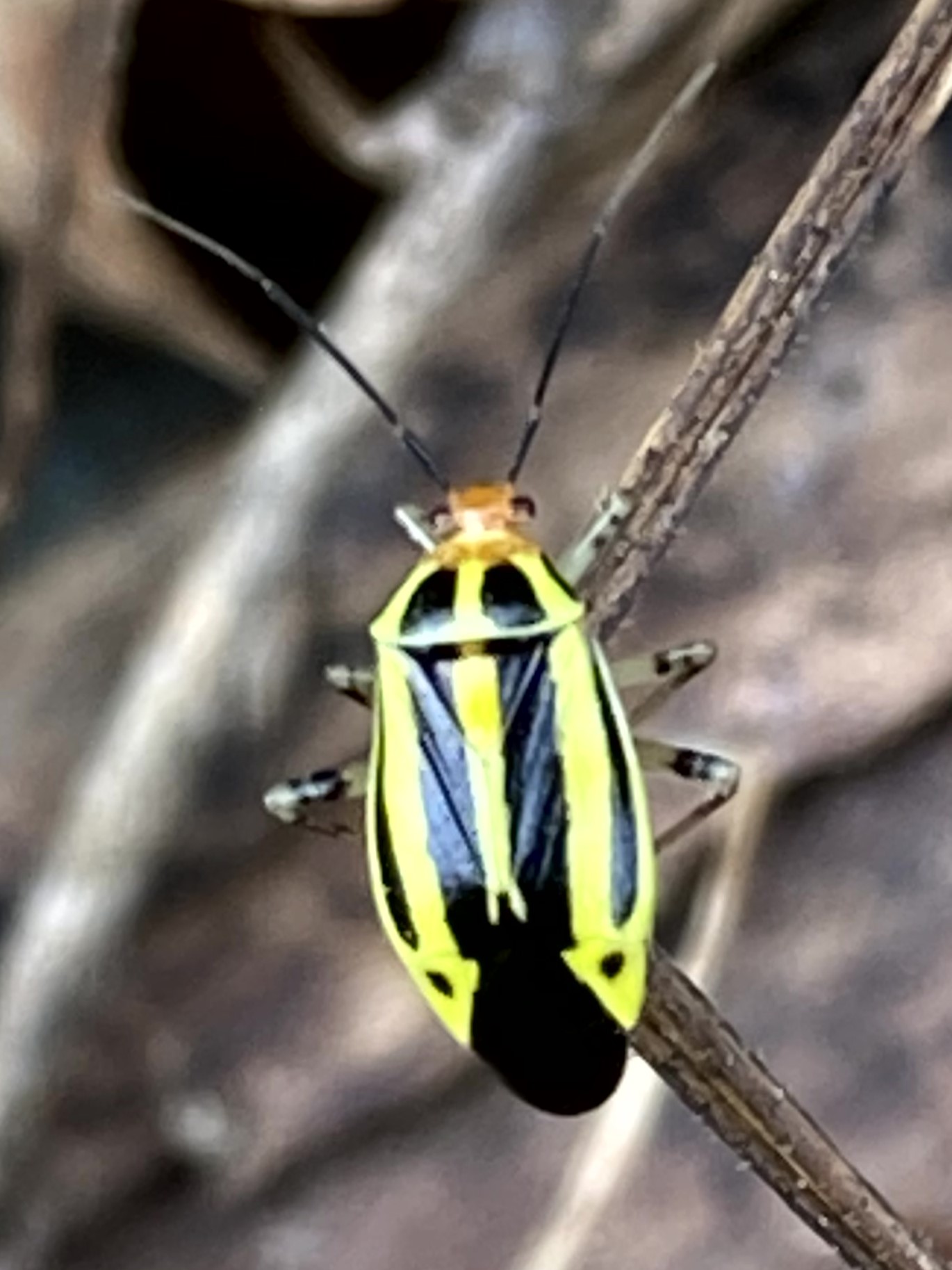
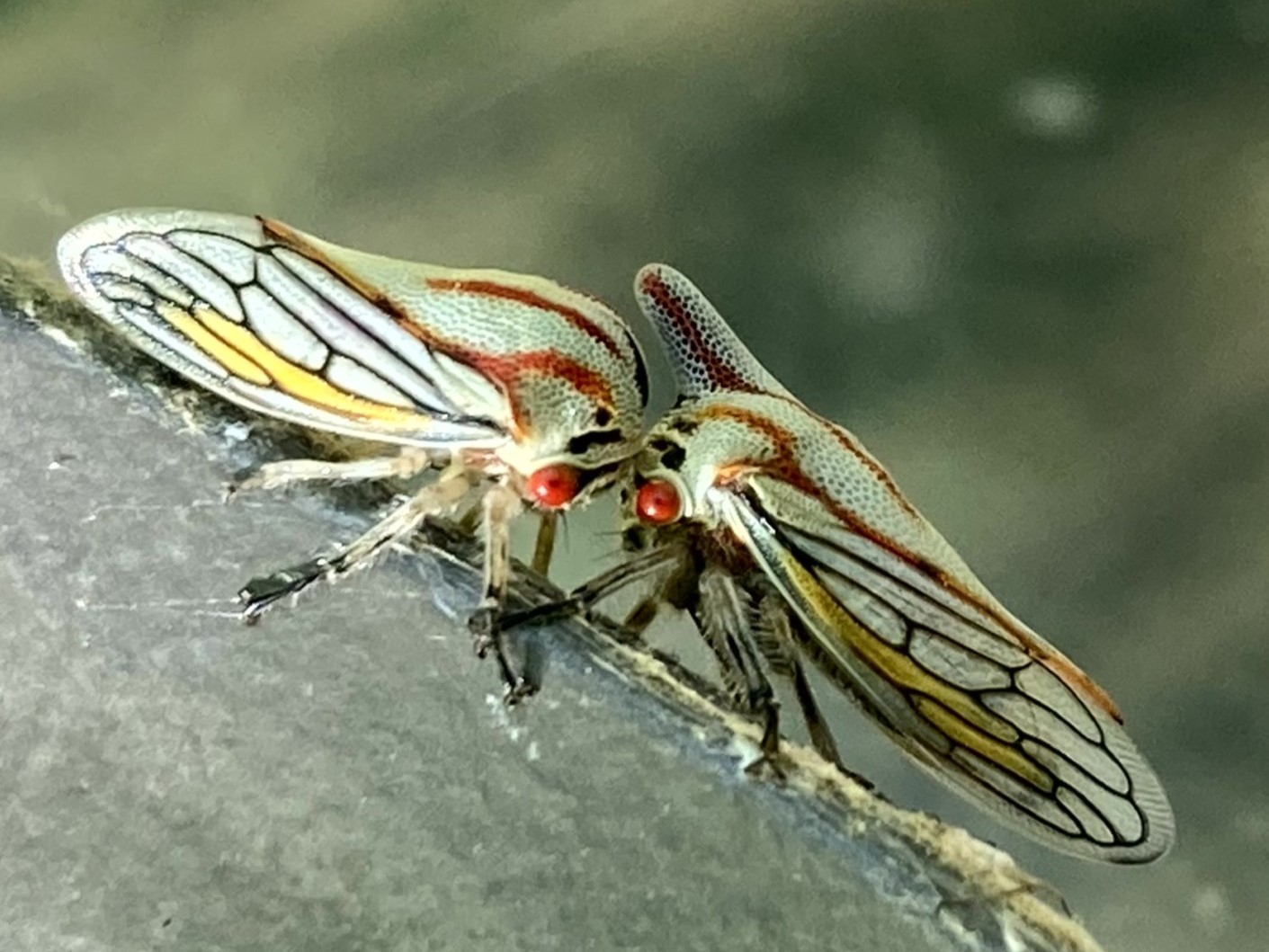
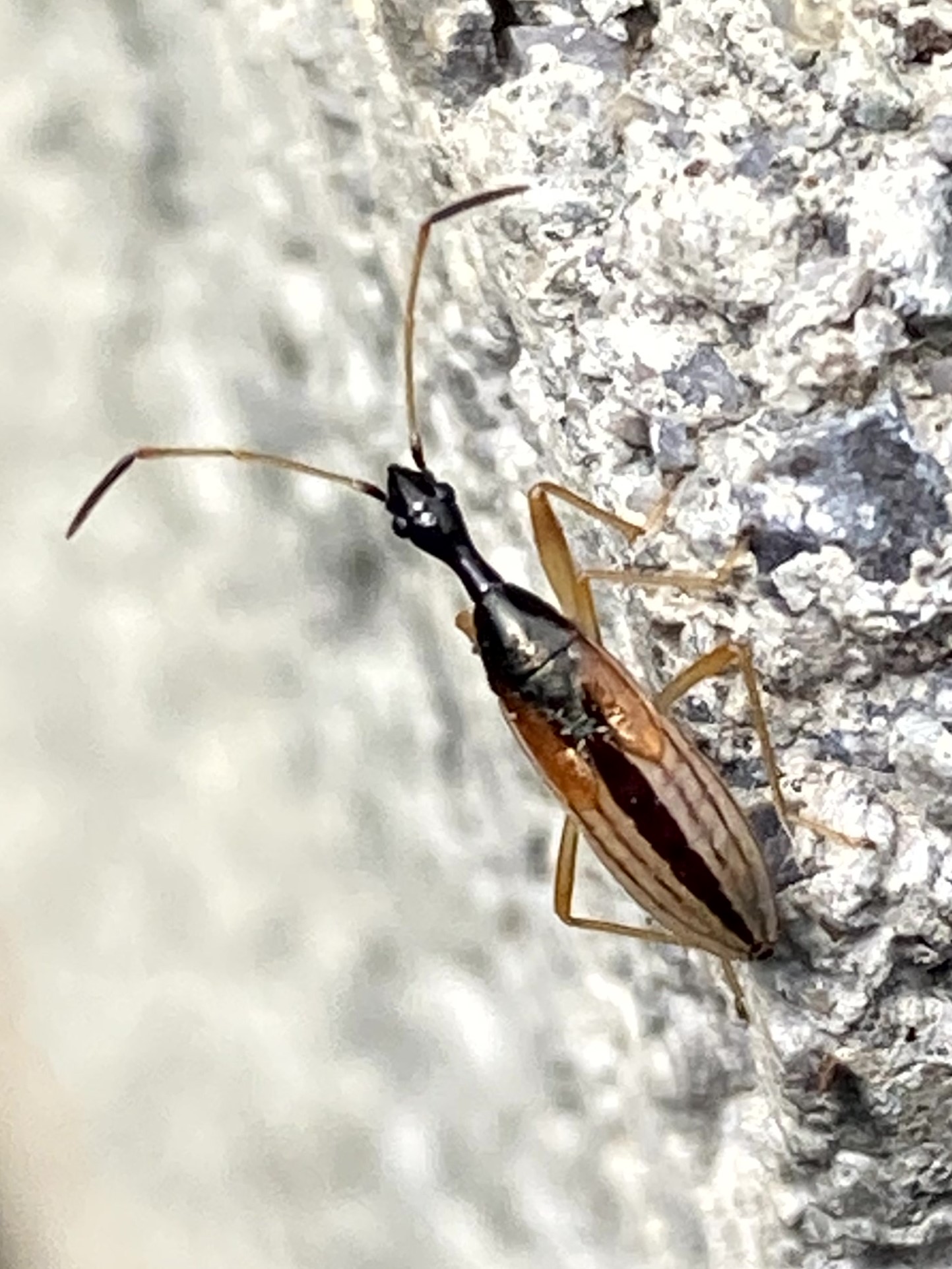
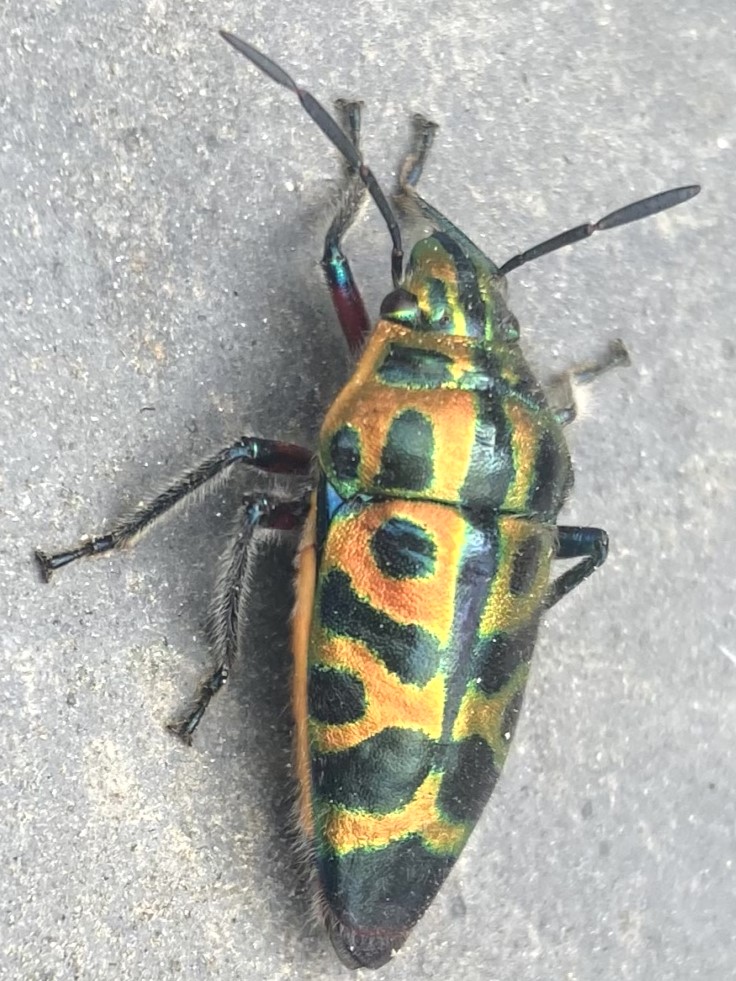
A common feature of the true bugs are piercing mouthparts that they use to feed on plants or other animals.
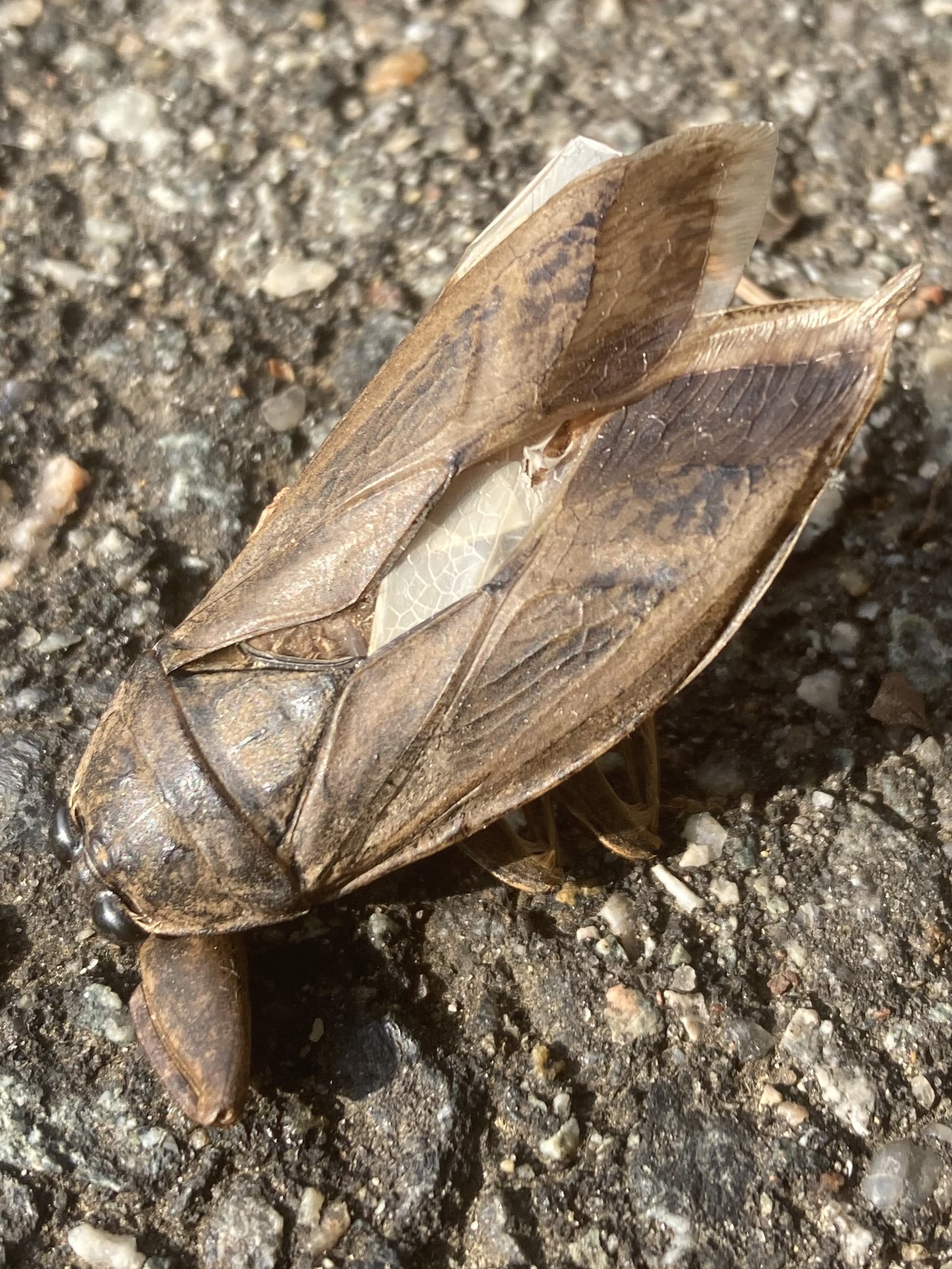
Water Scorpion
Family Nepidae. Aquatic predators, they use their long tail as a breathing tube to obtain oxygen while hunting underwater.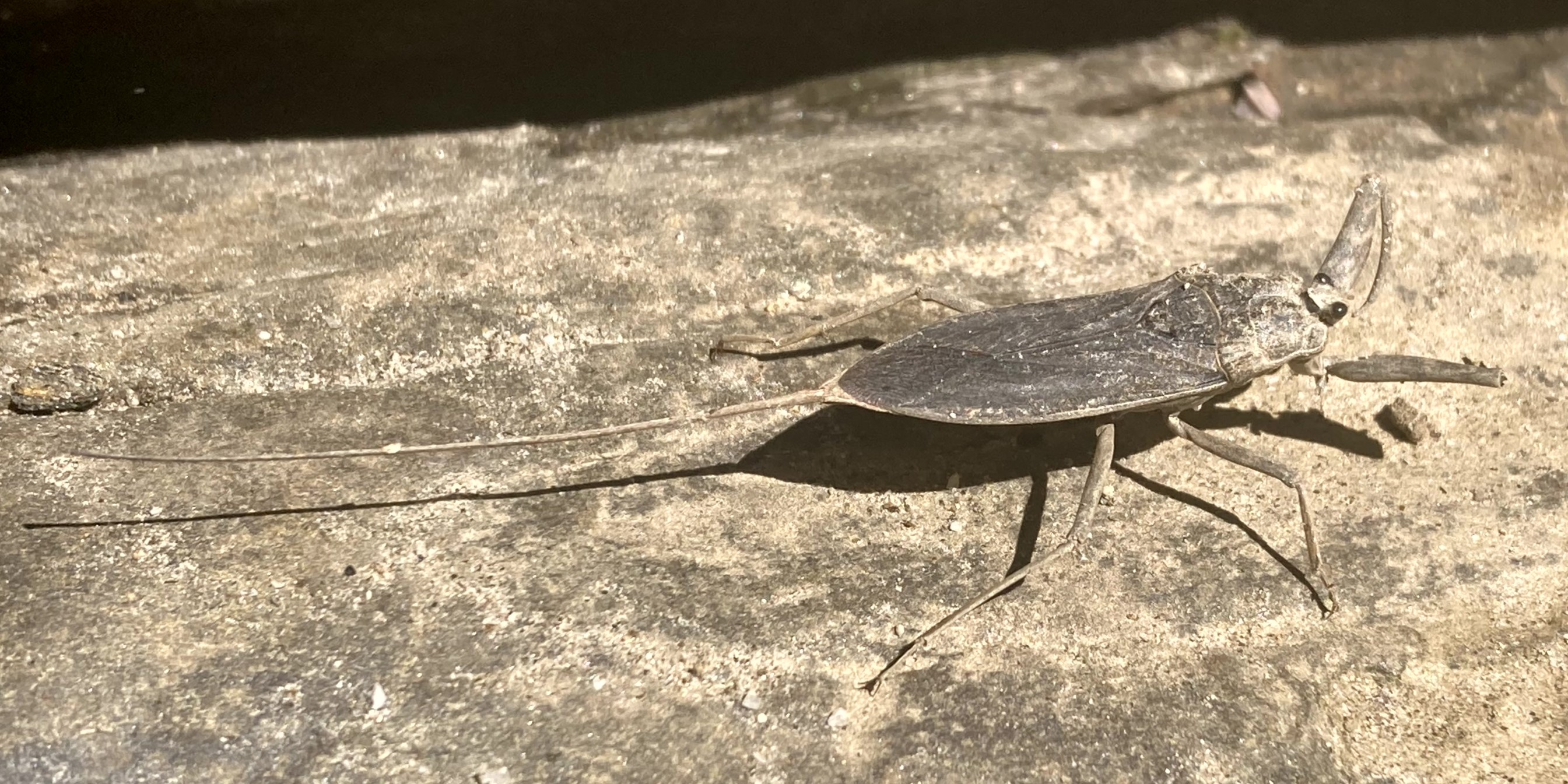
.jpg "Nepal, Oct. 2025")
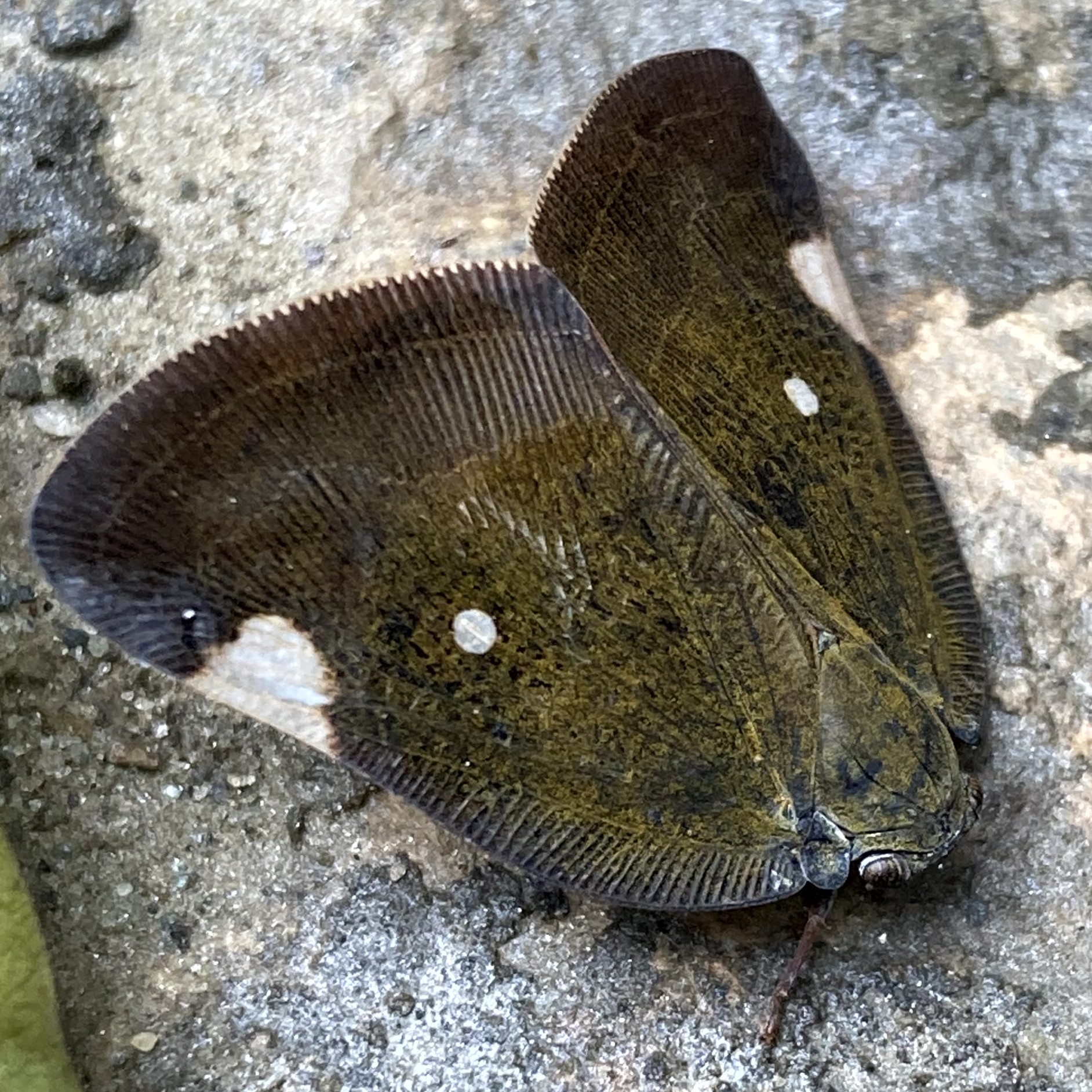
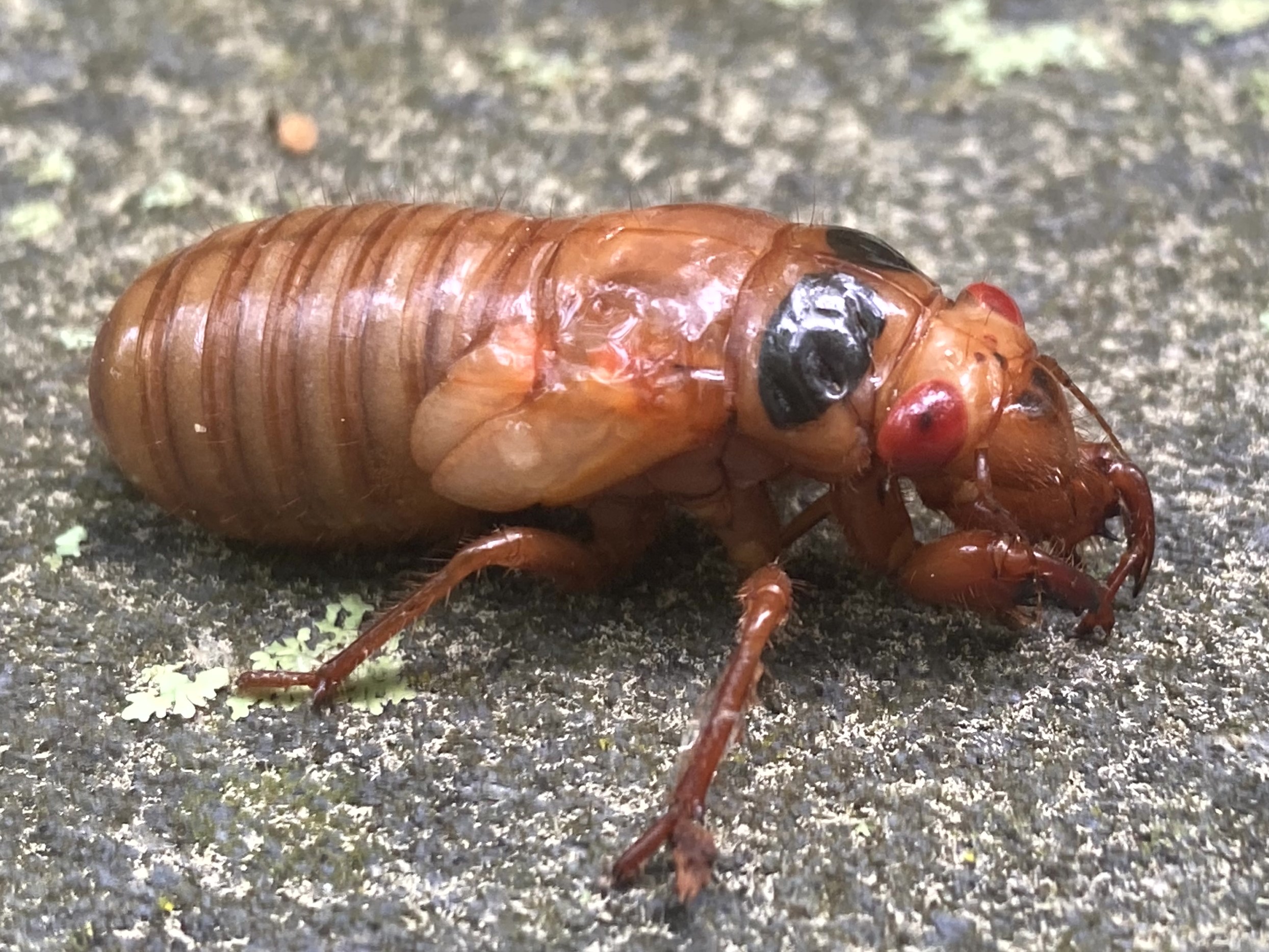
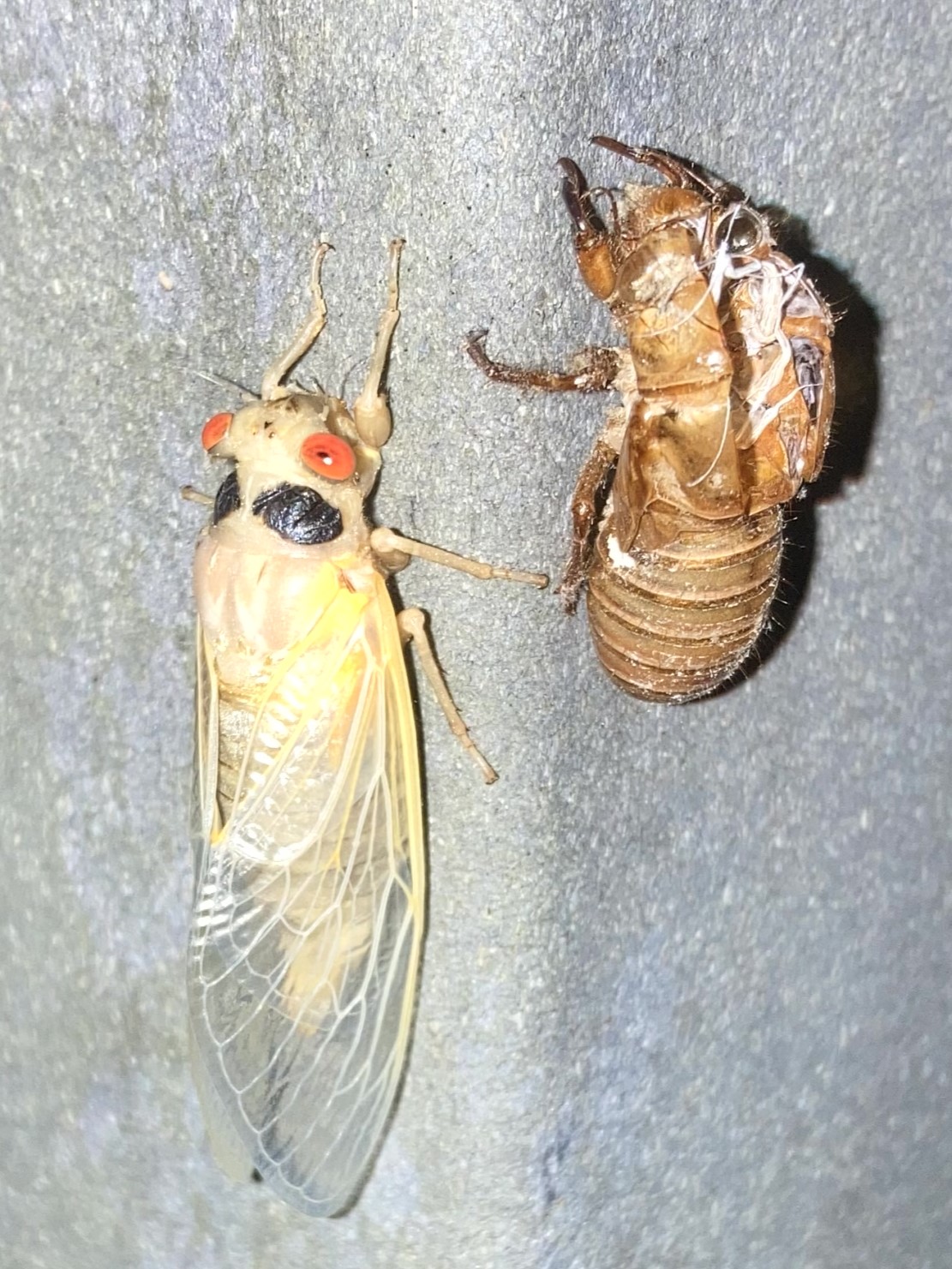
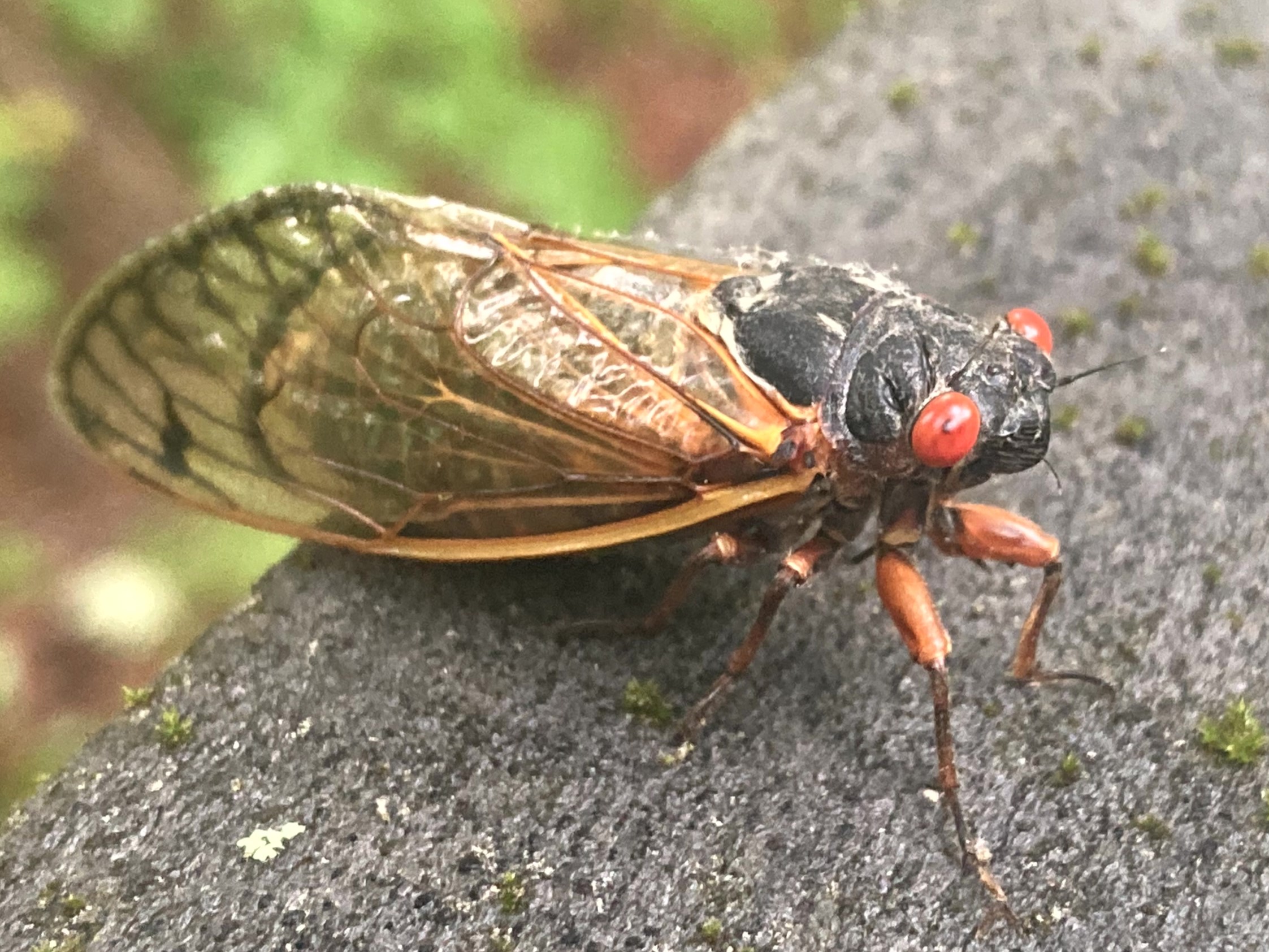
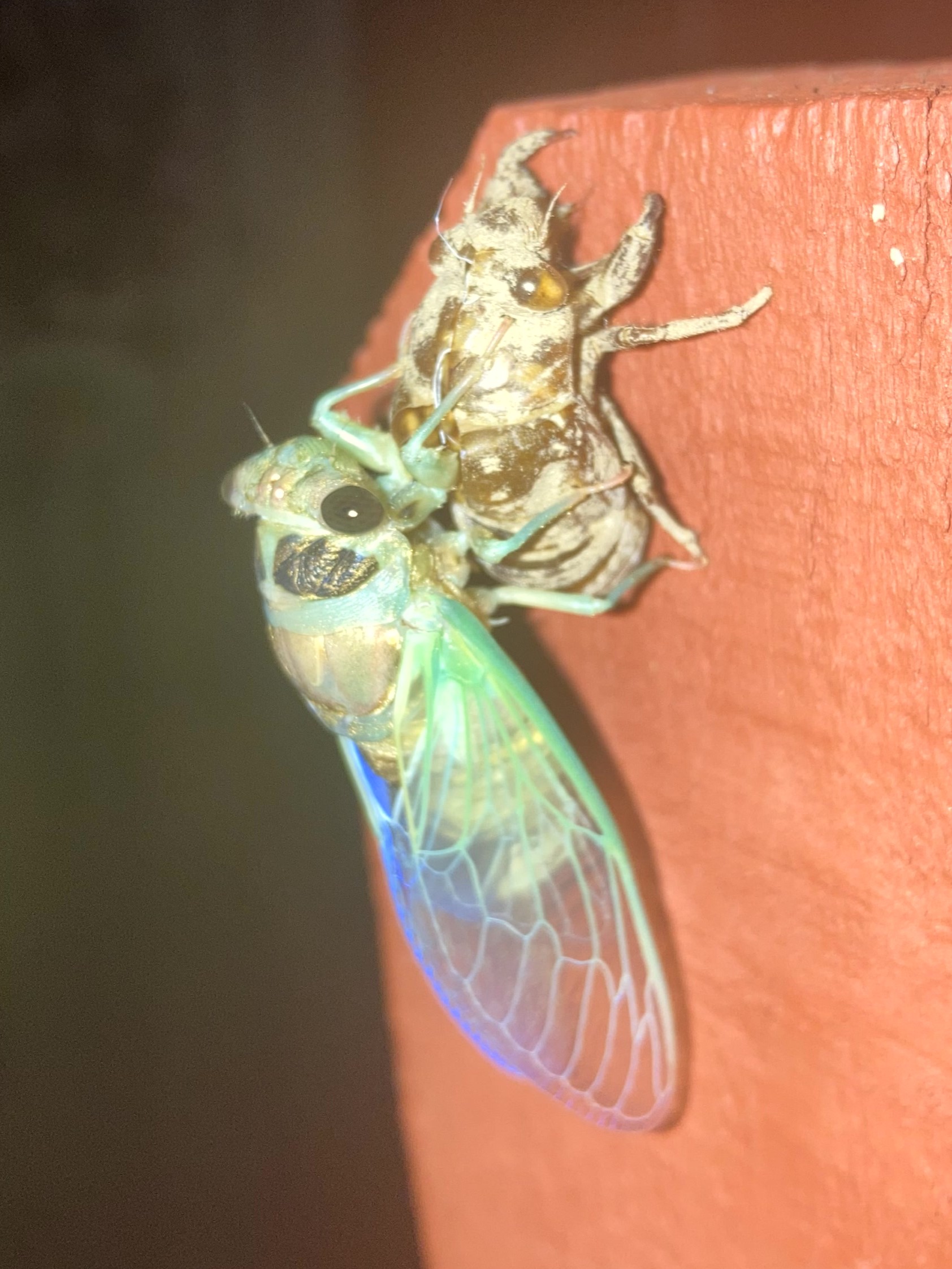
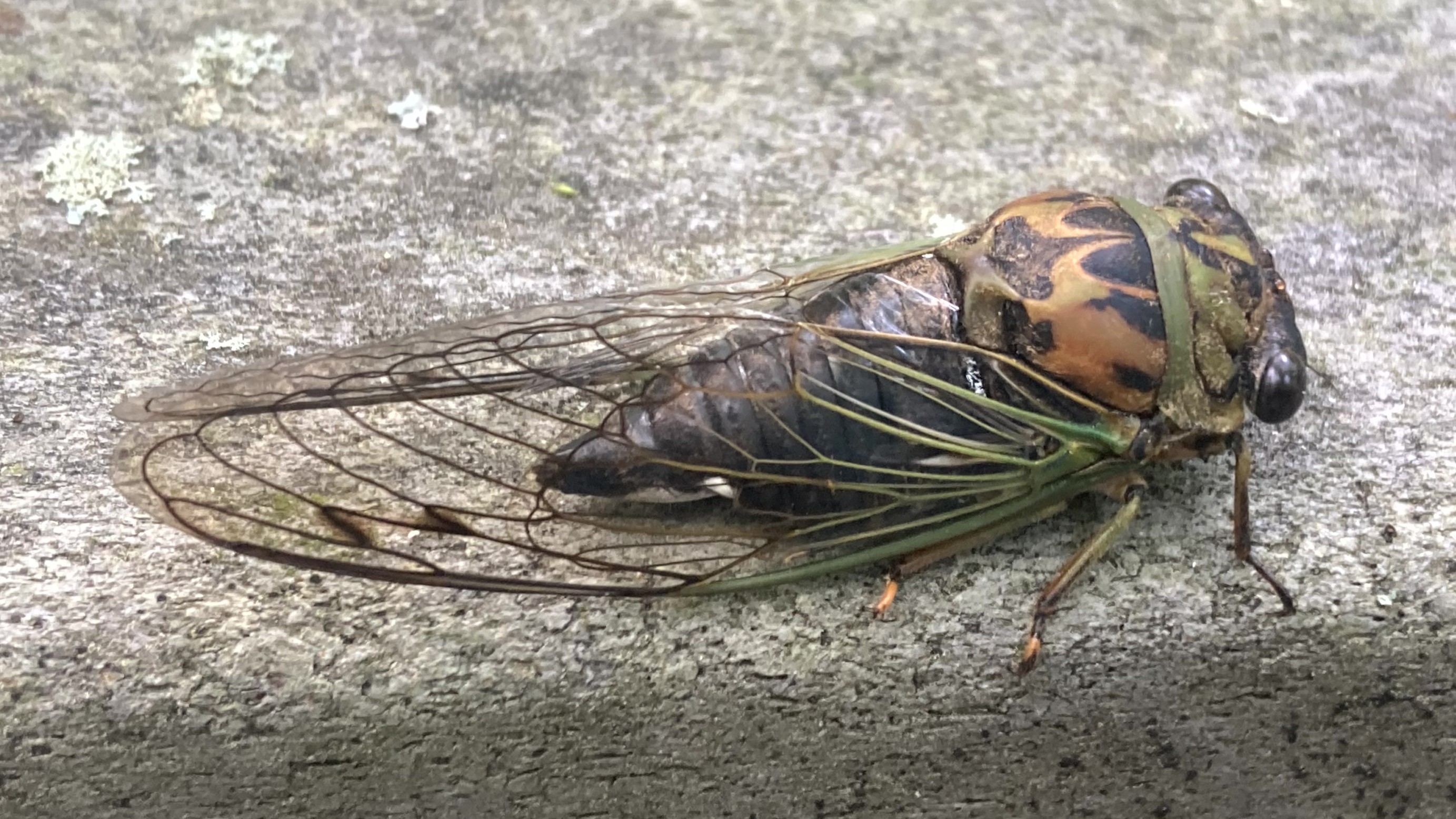
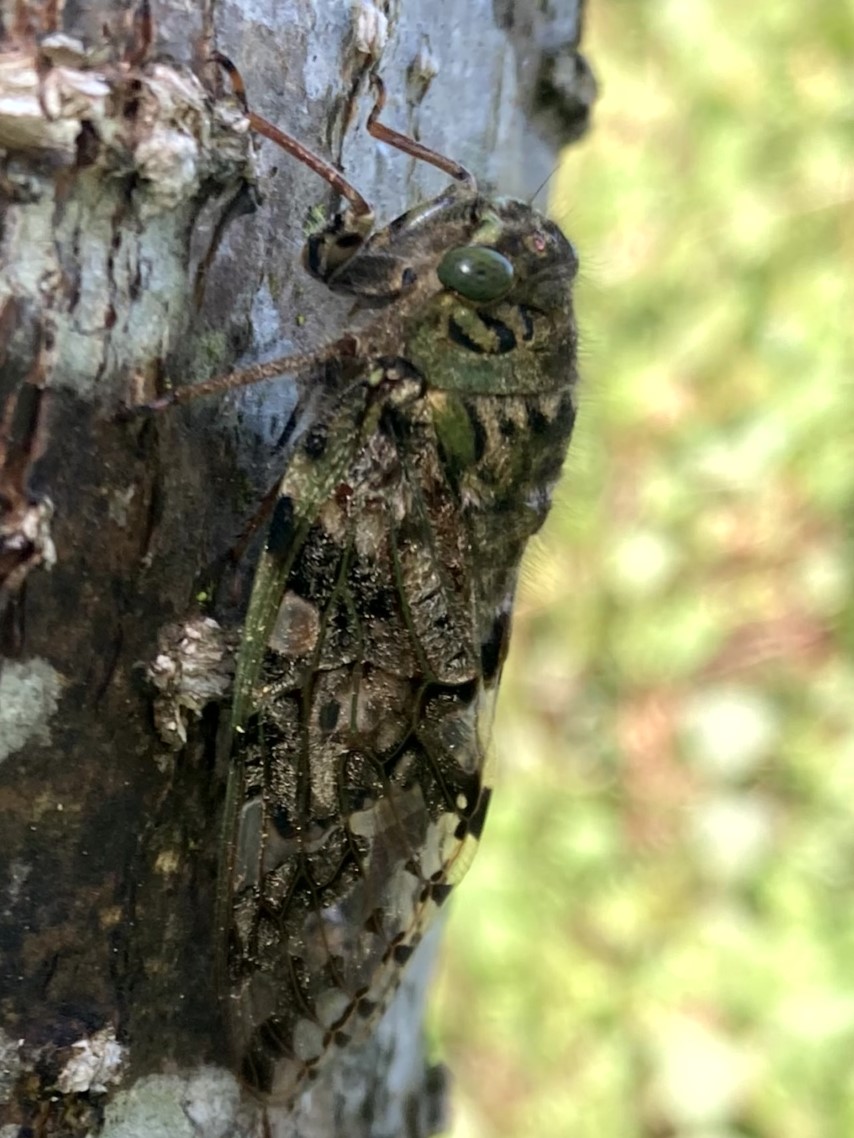
Pharaoh Cicada
Magicicada speciesPeriodical cicadas that synchronize their emergence every 13 or 17 years resulting in massive swarms. Images here are from brood XIX in 2024.
Emesaya brevipennis
Emesaya brevipennisWhile this insect closely resembles a stick insect, it is actually a member of the assassin bug family. It possesses raptorial forelegs similar to those found on praying mantids. Reportedly, these insects prey on spiders.
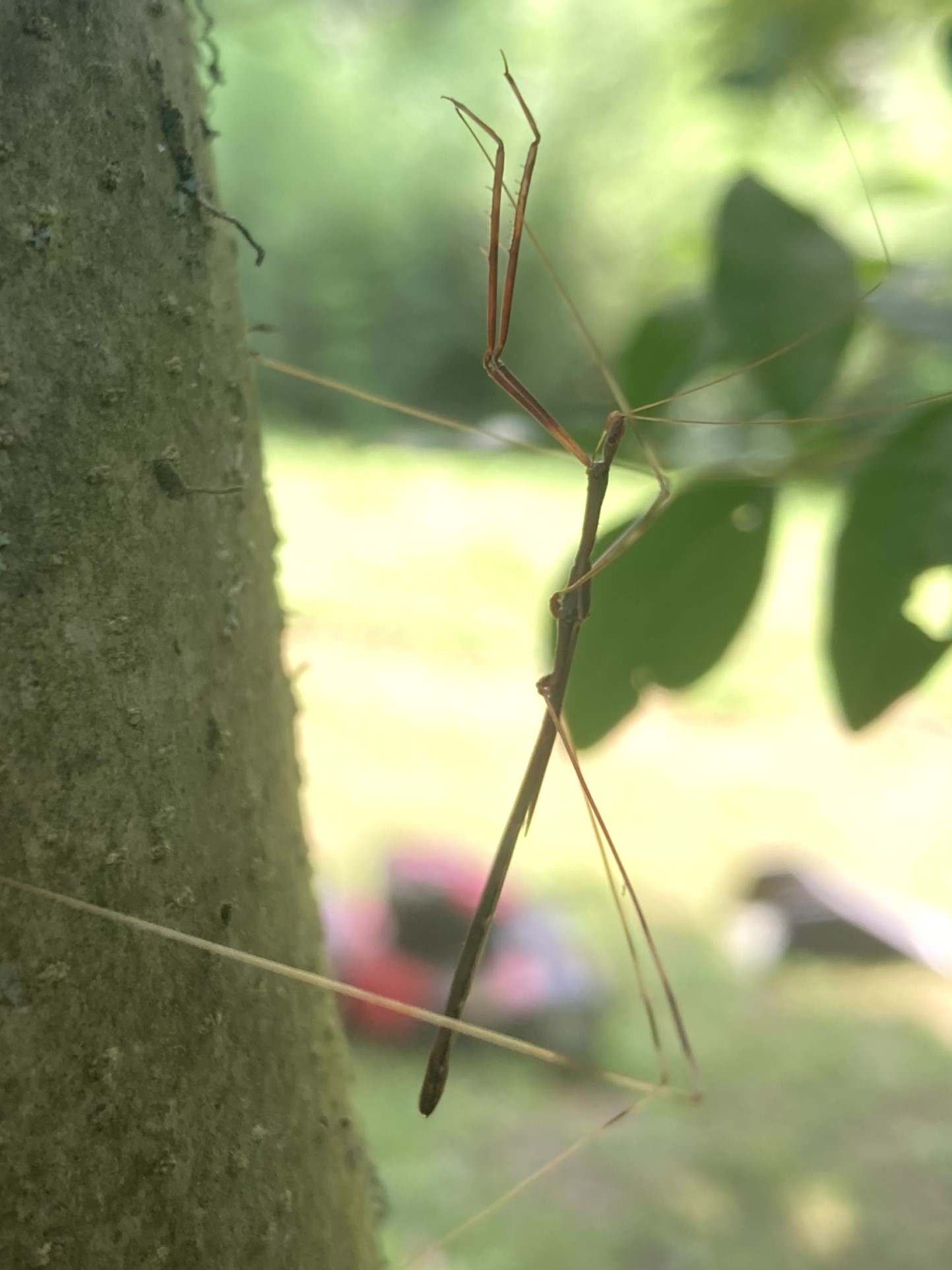
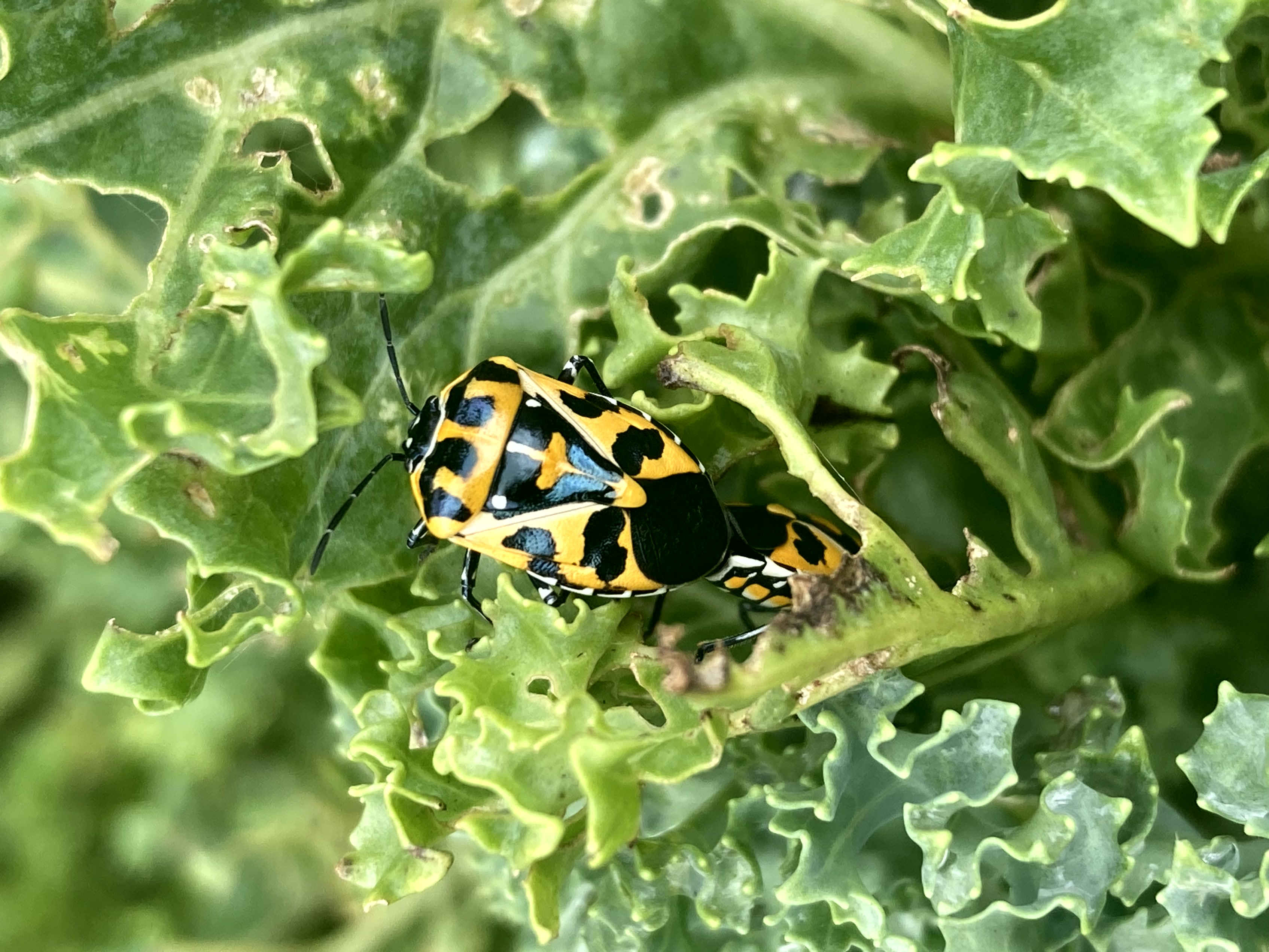
Harlequin Bug
Murgantia histrionicaThis colorful bug is a common pest of plants in the Brassicaceae family including cabbage, kale, broccoli, mustard, etc. They store chemicals from the plants they feed on to defend themselves from predators. Seen here feeding on a kale plant.
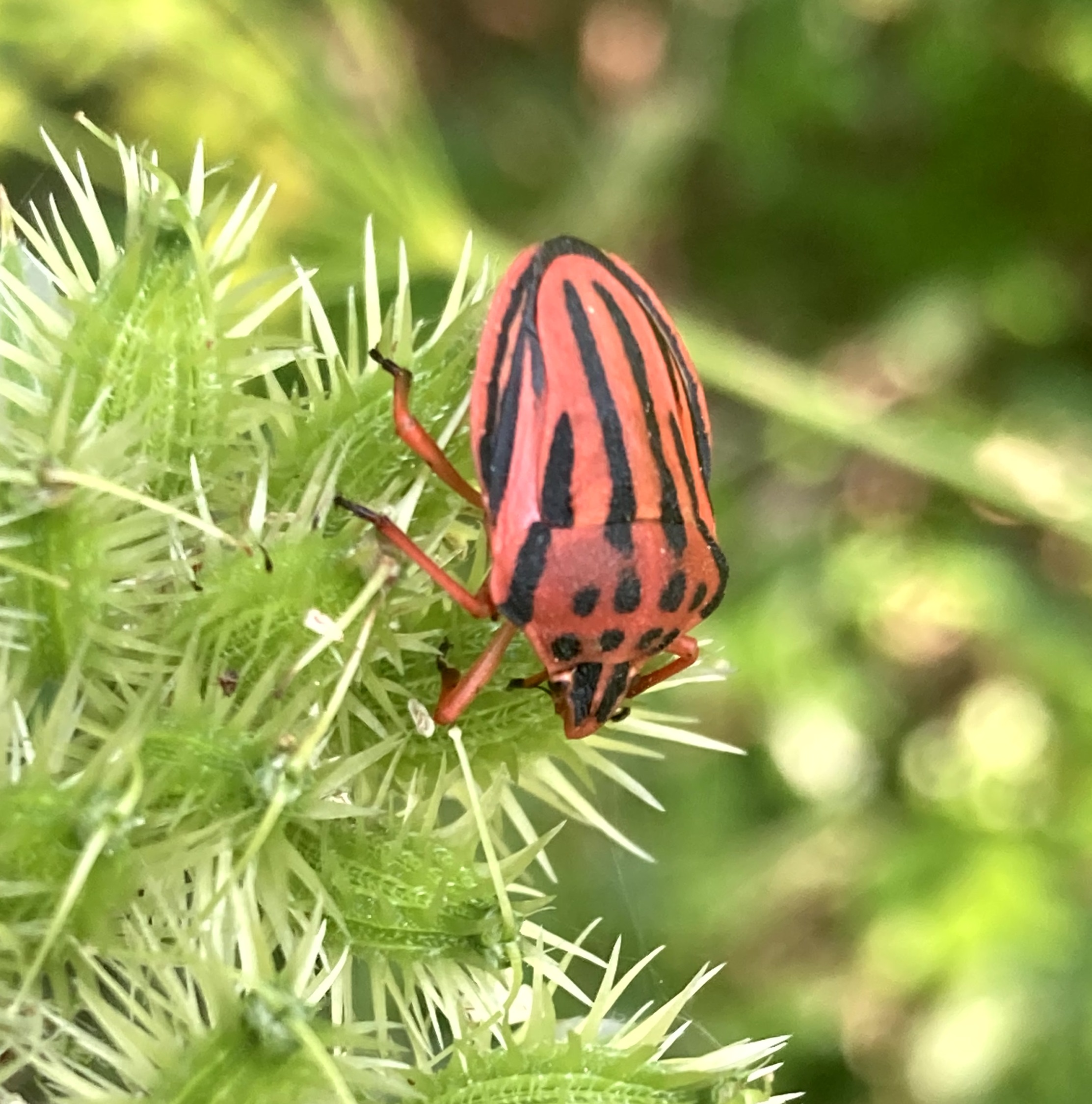
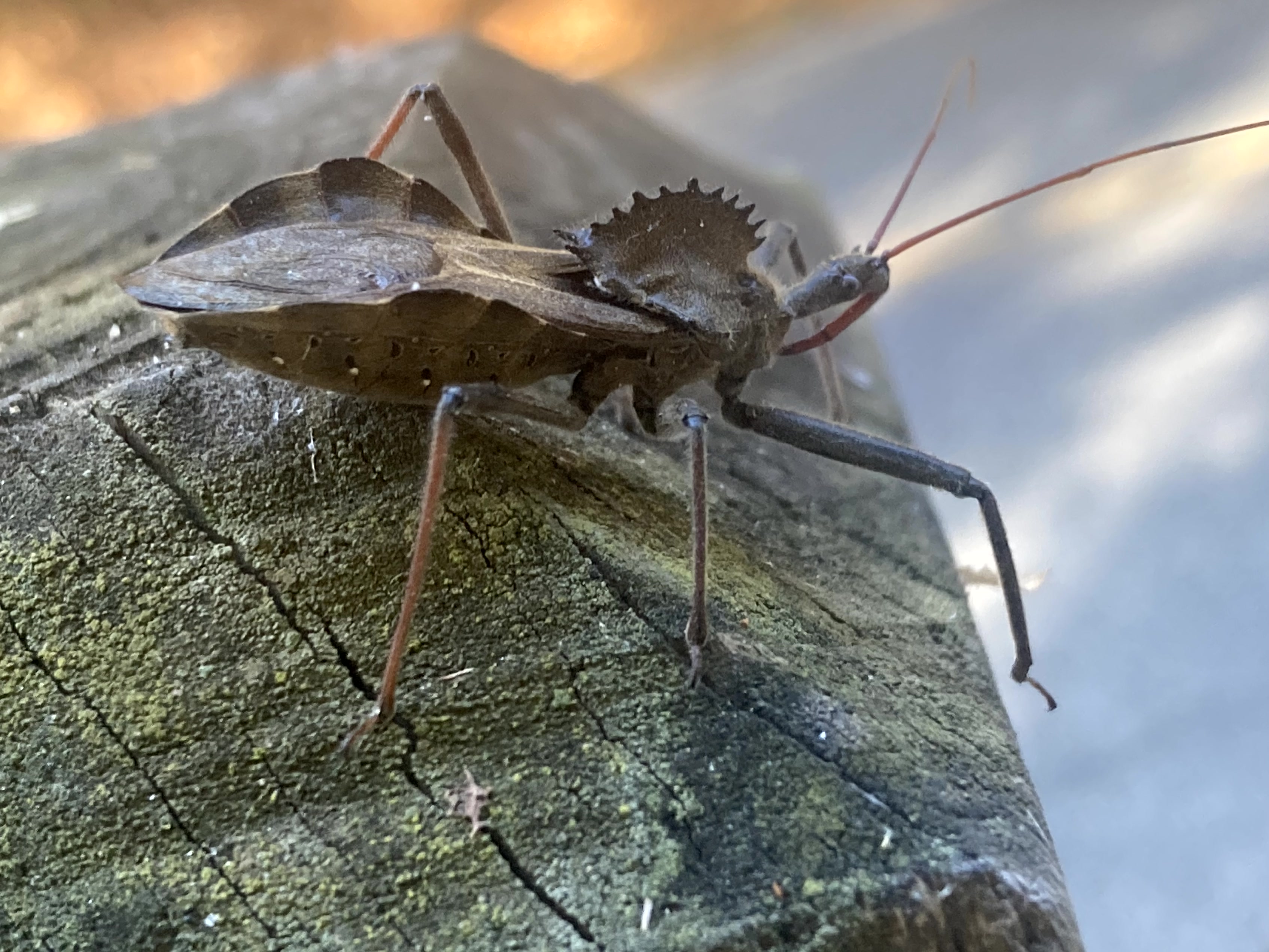
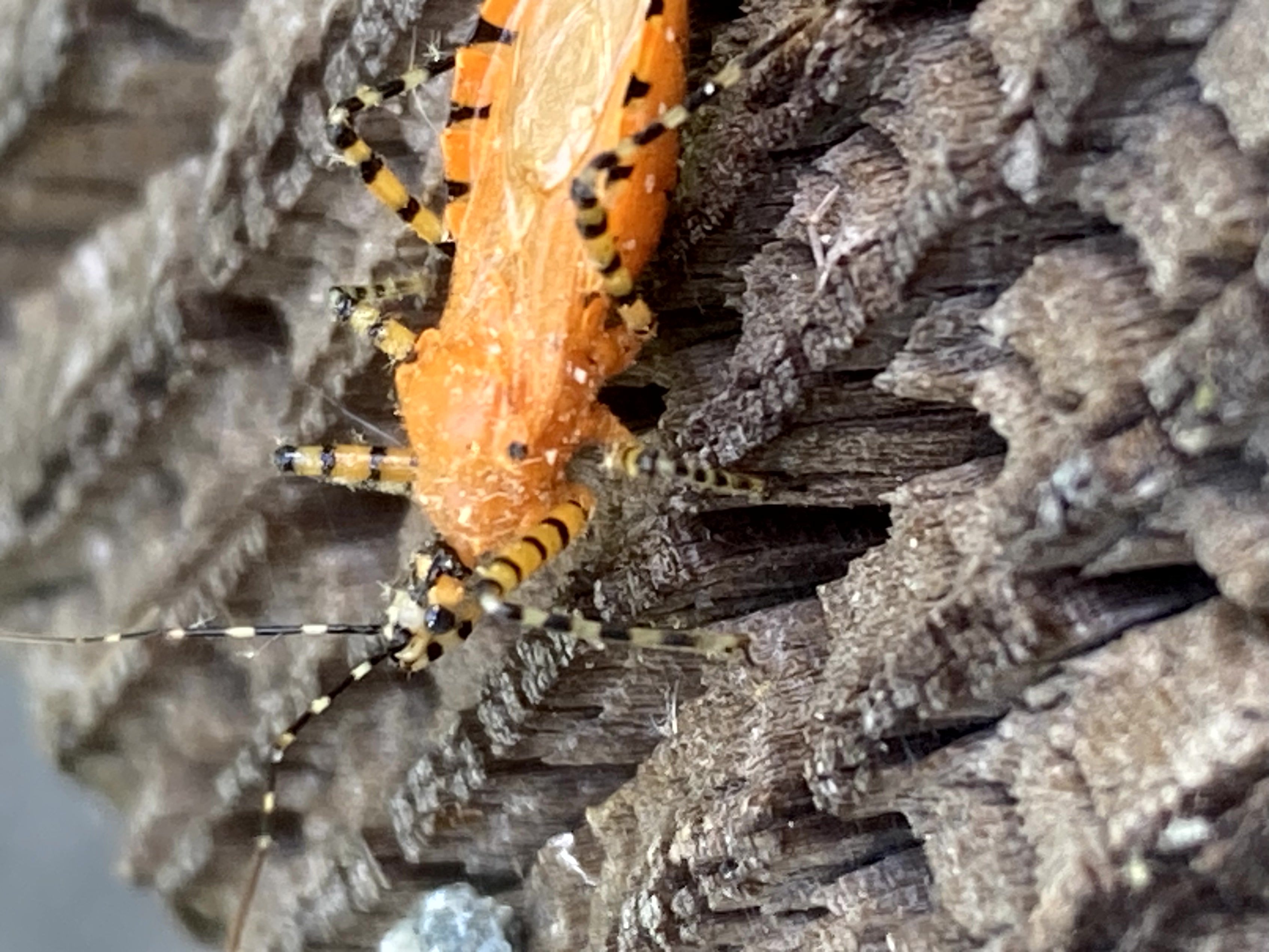
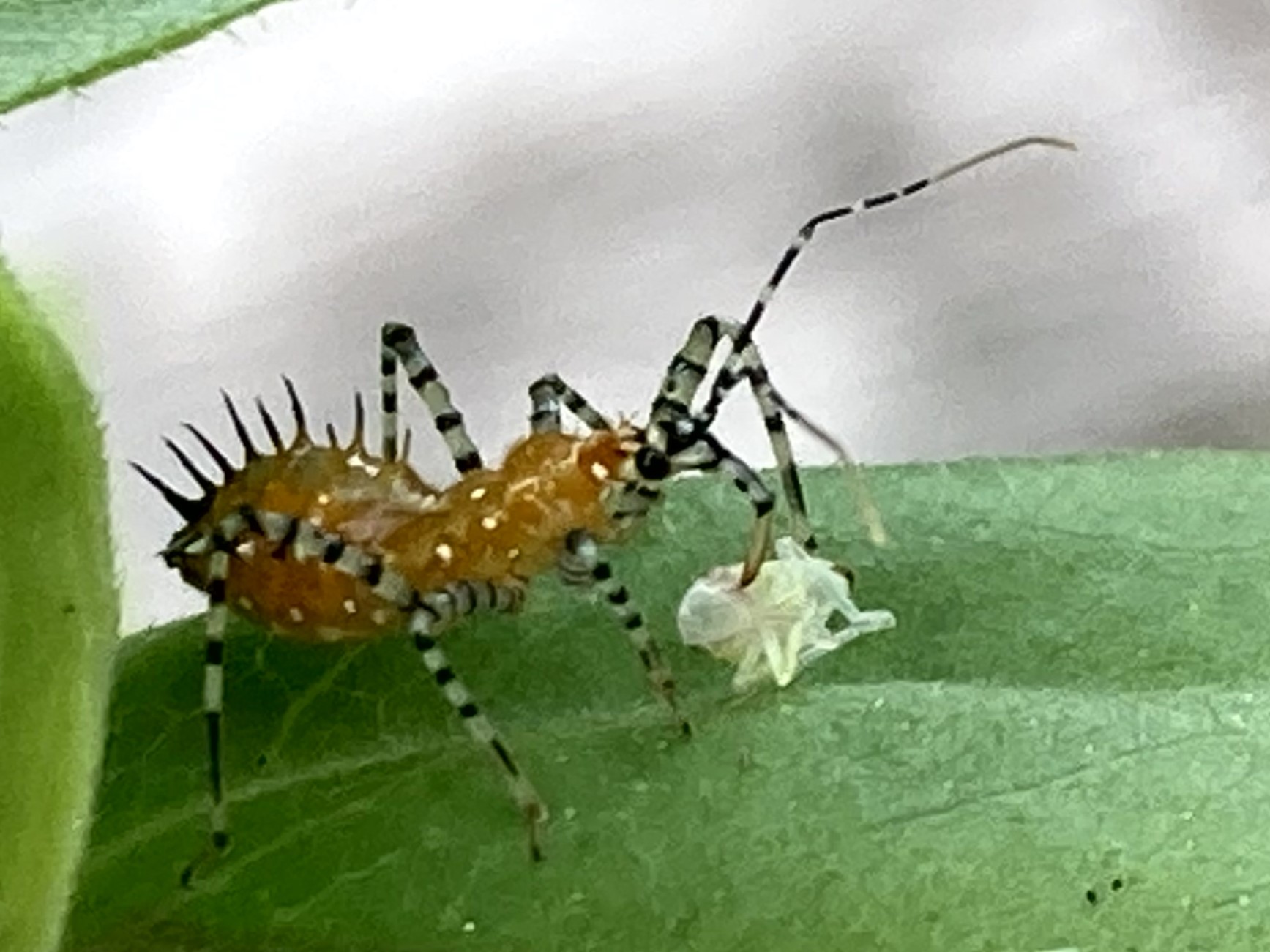
.jpg "Coastal Virginia, May 2025")
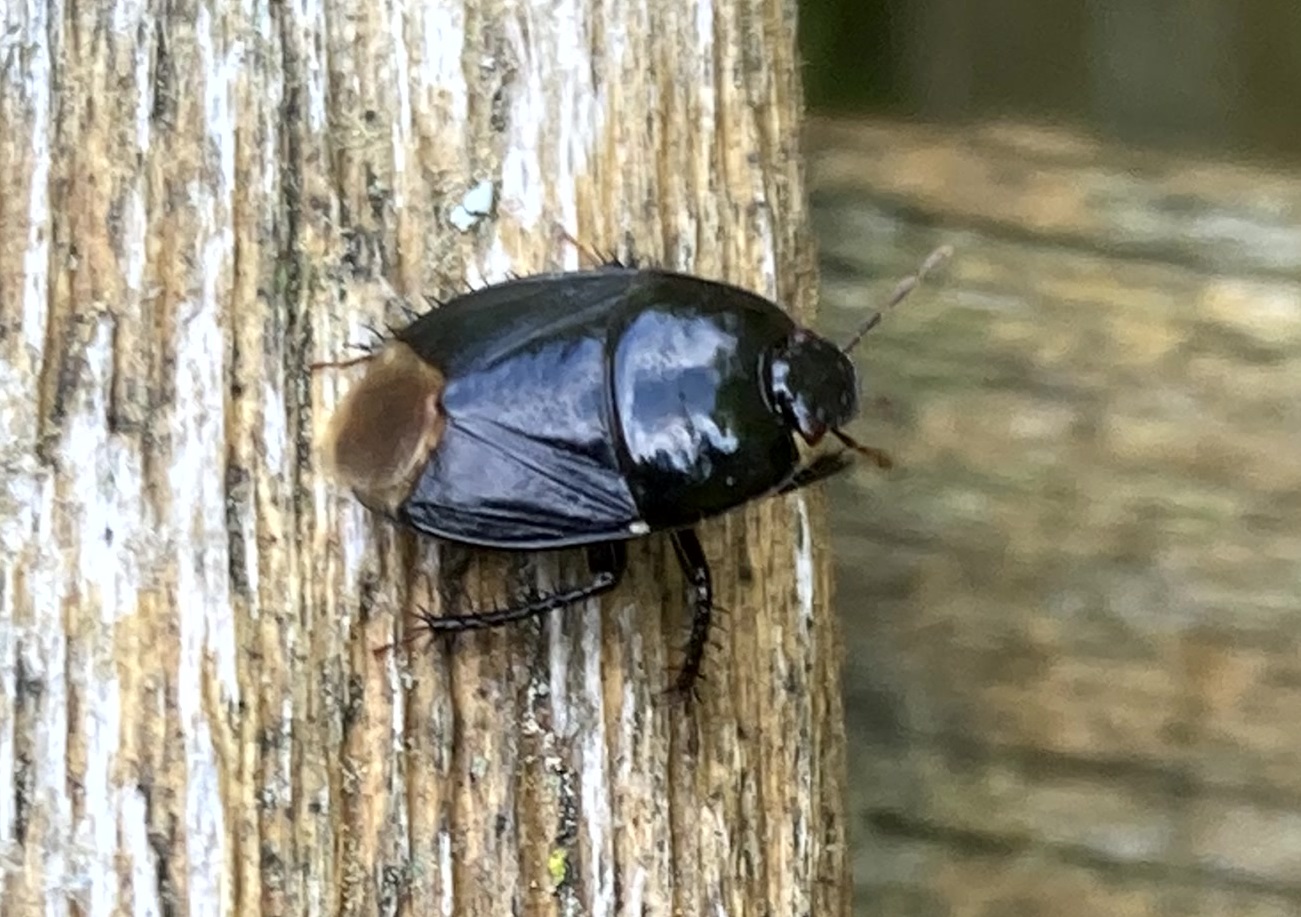
.jpg "Coastal Virginia, Oct. 2024")
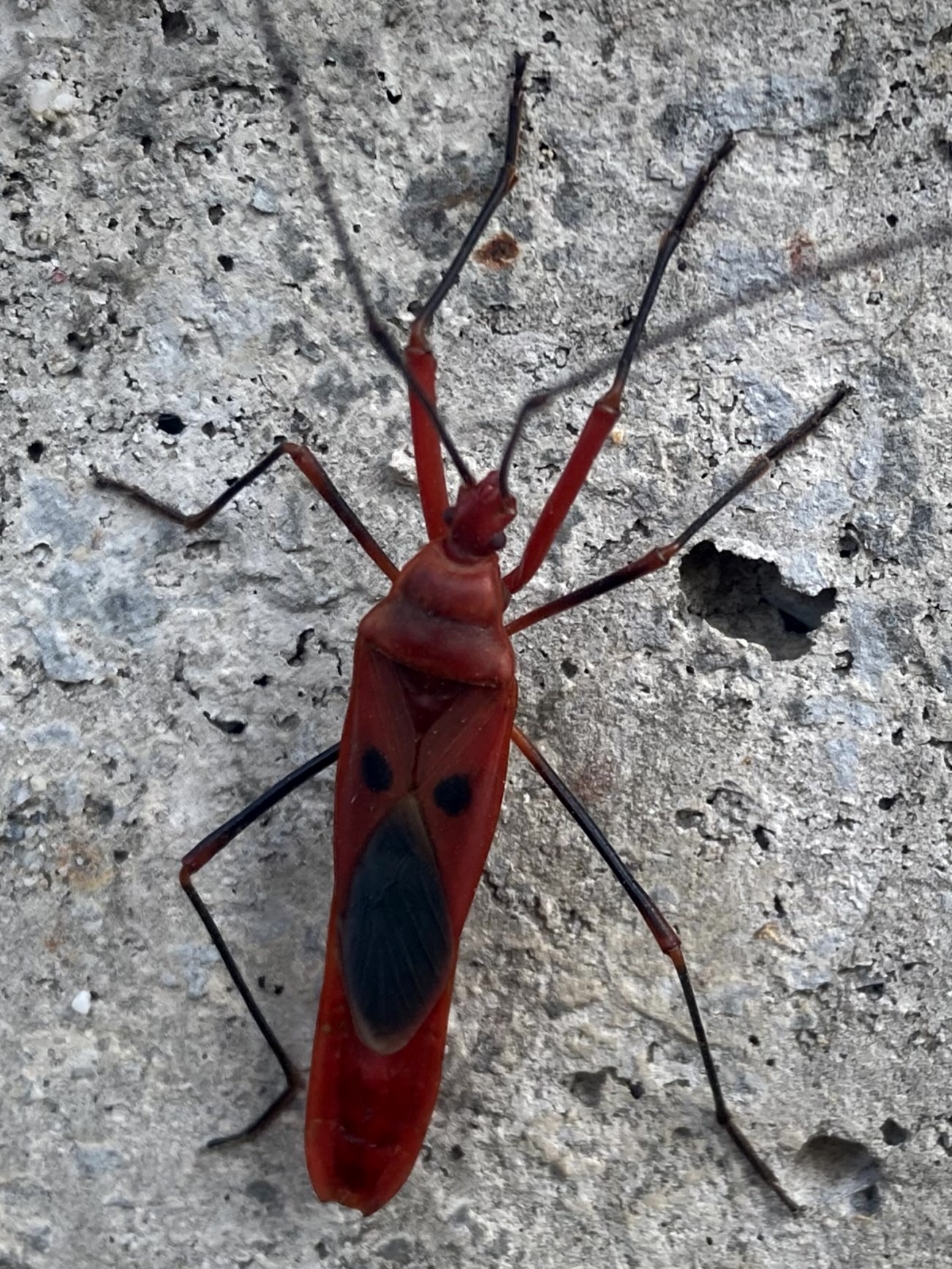
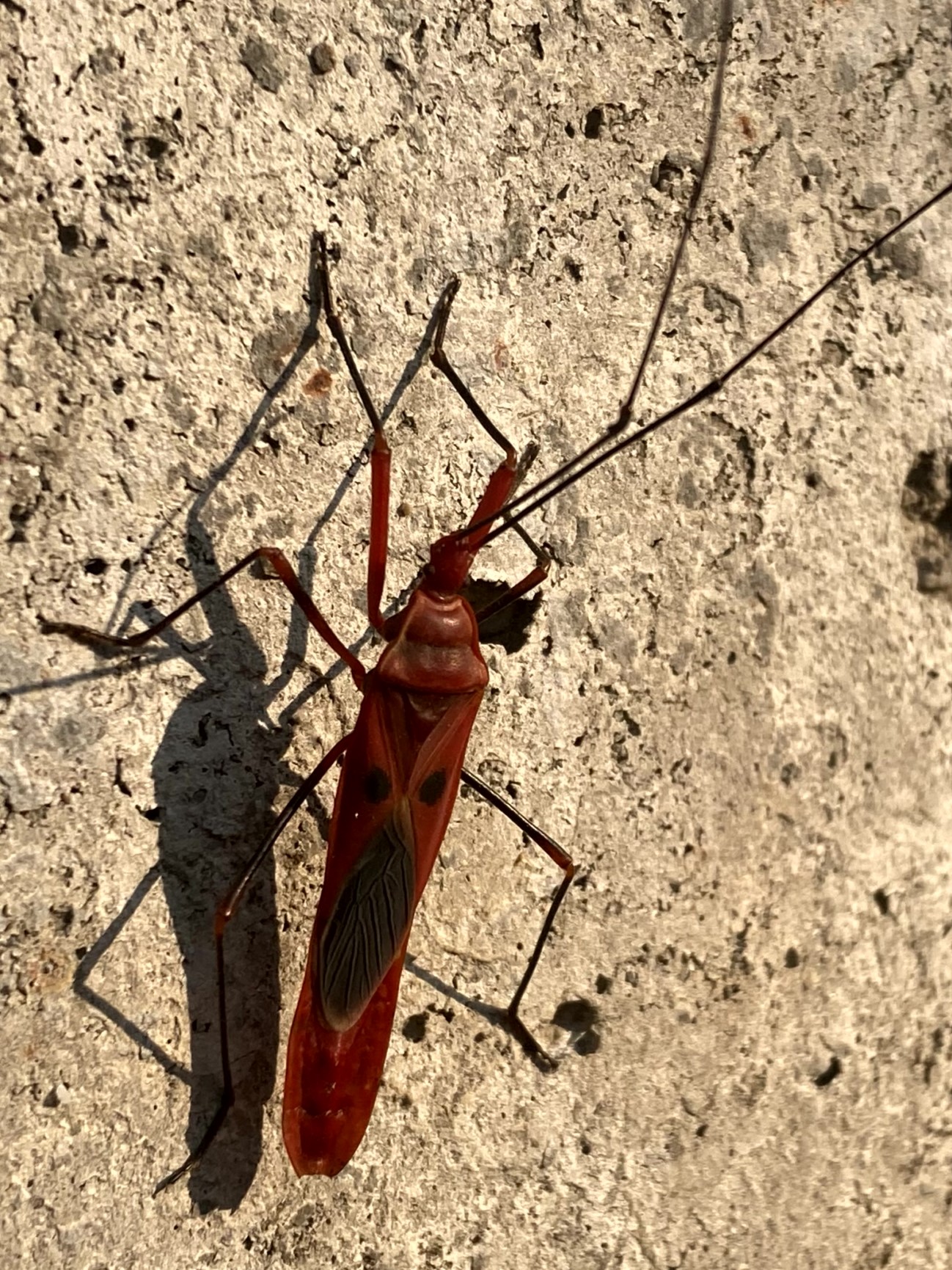
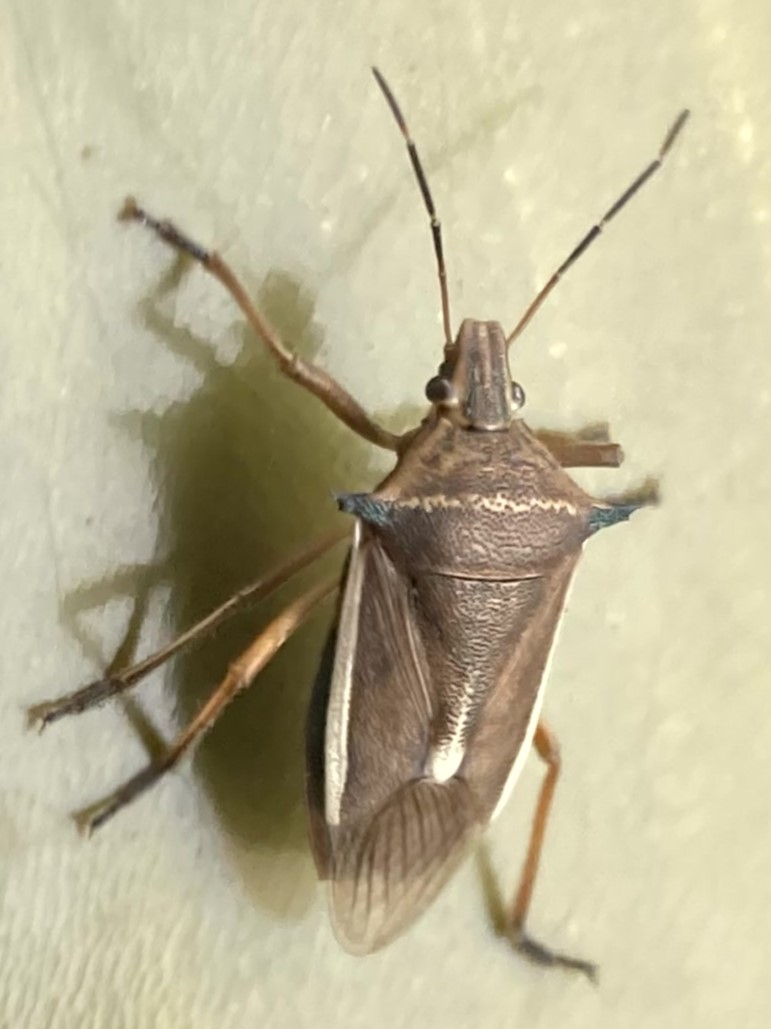
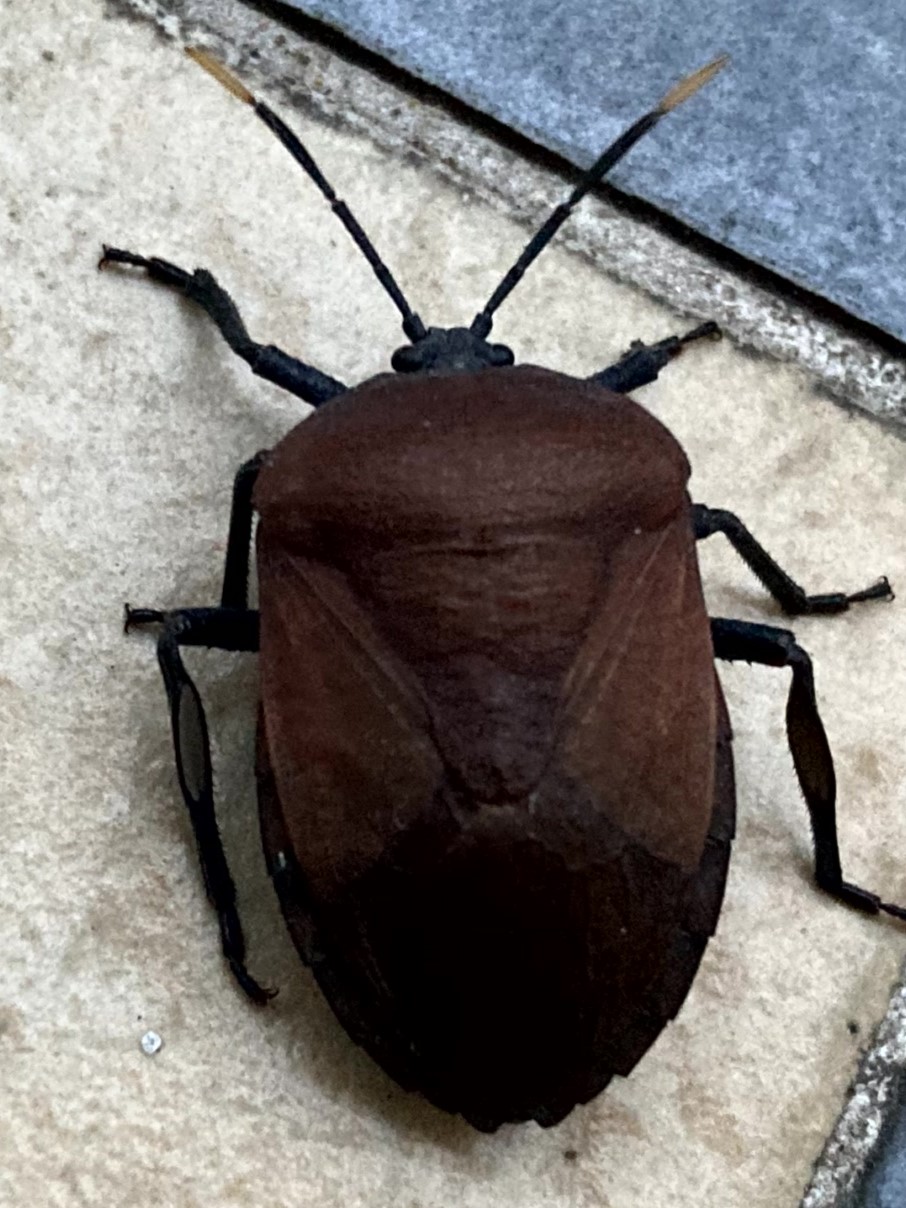
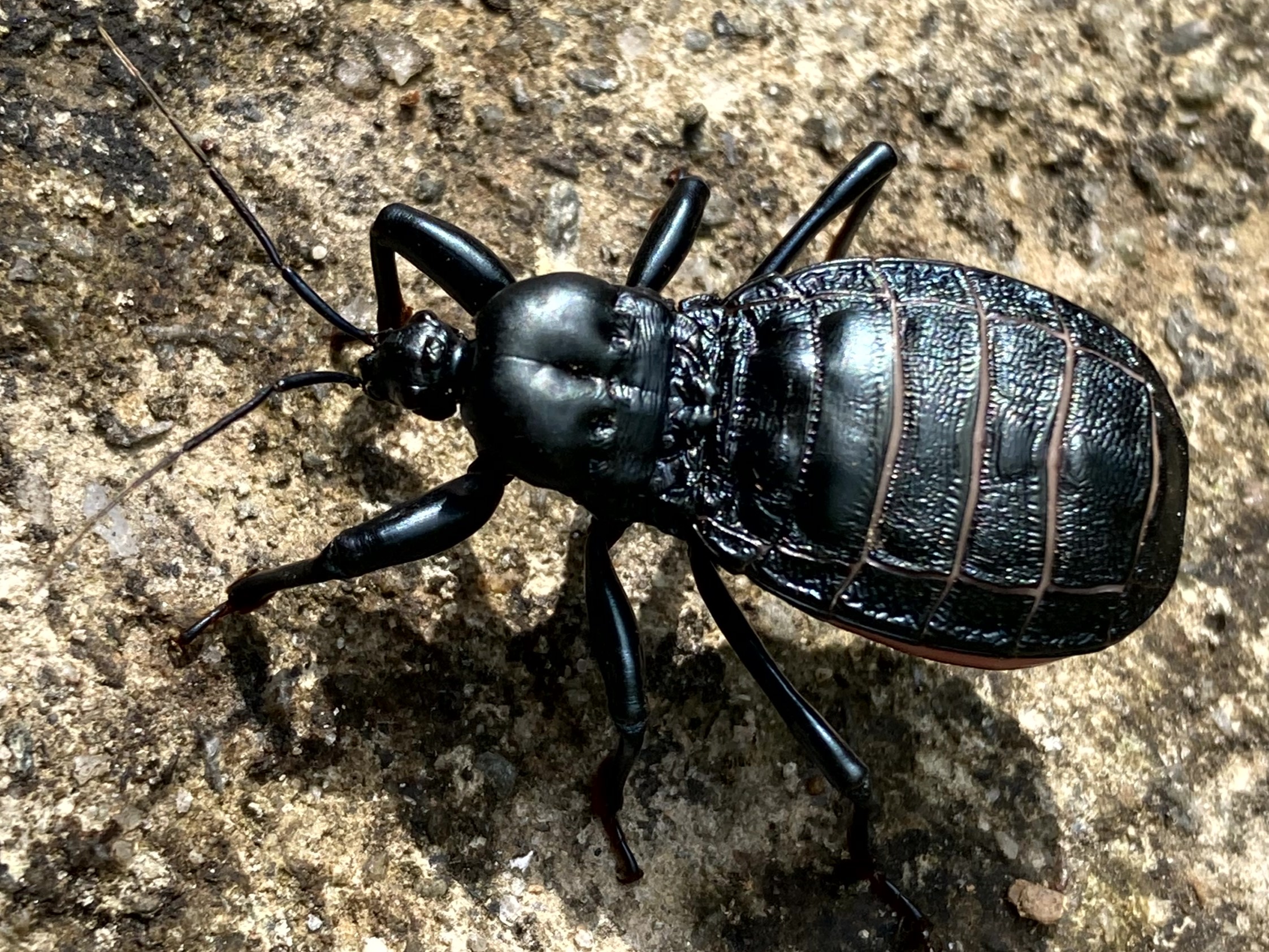
.jpg "Nepal, Oct. 2025")
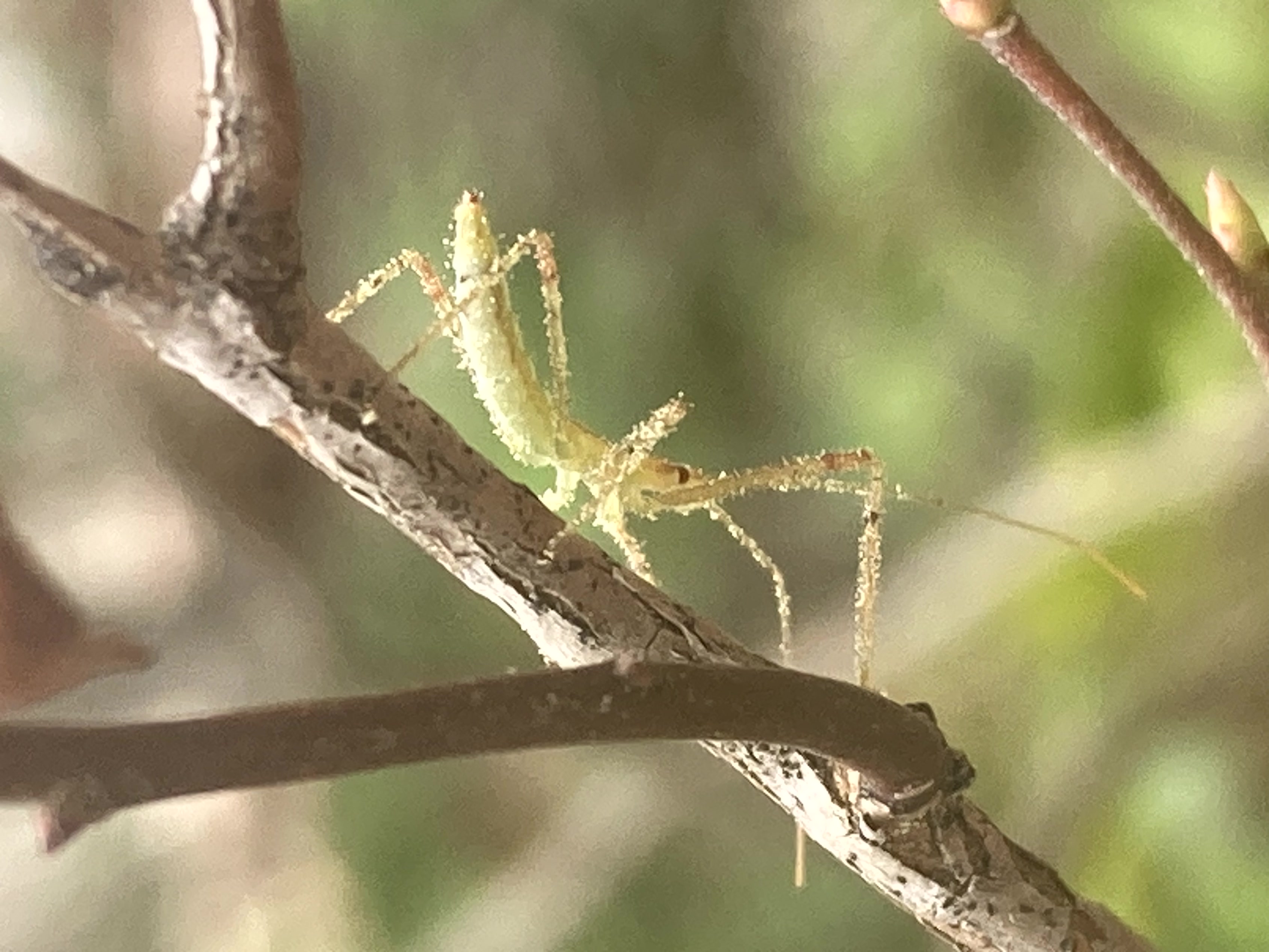
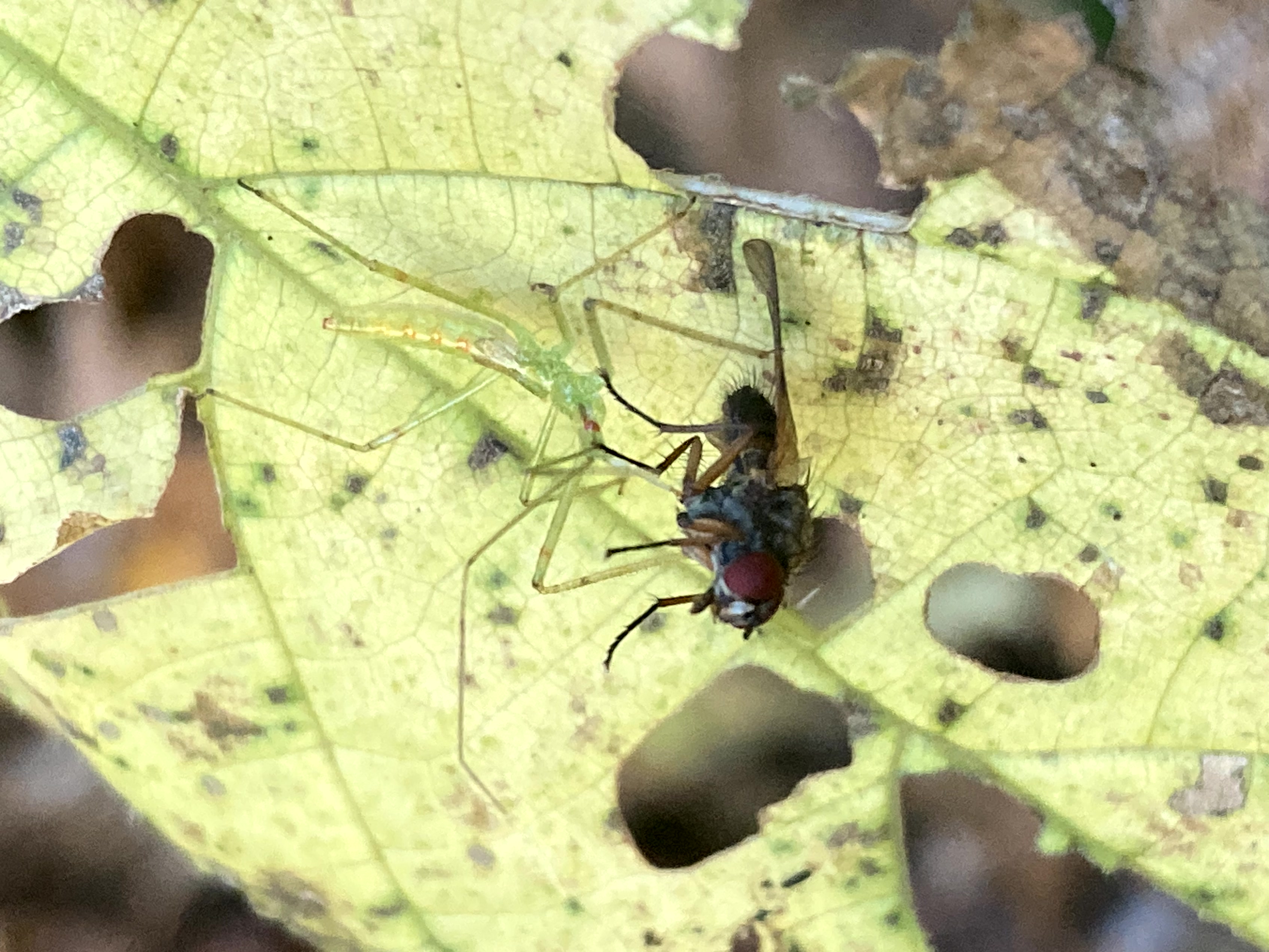
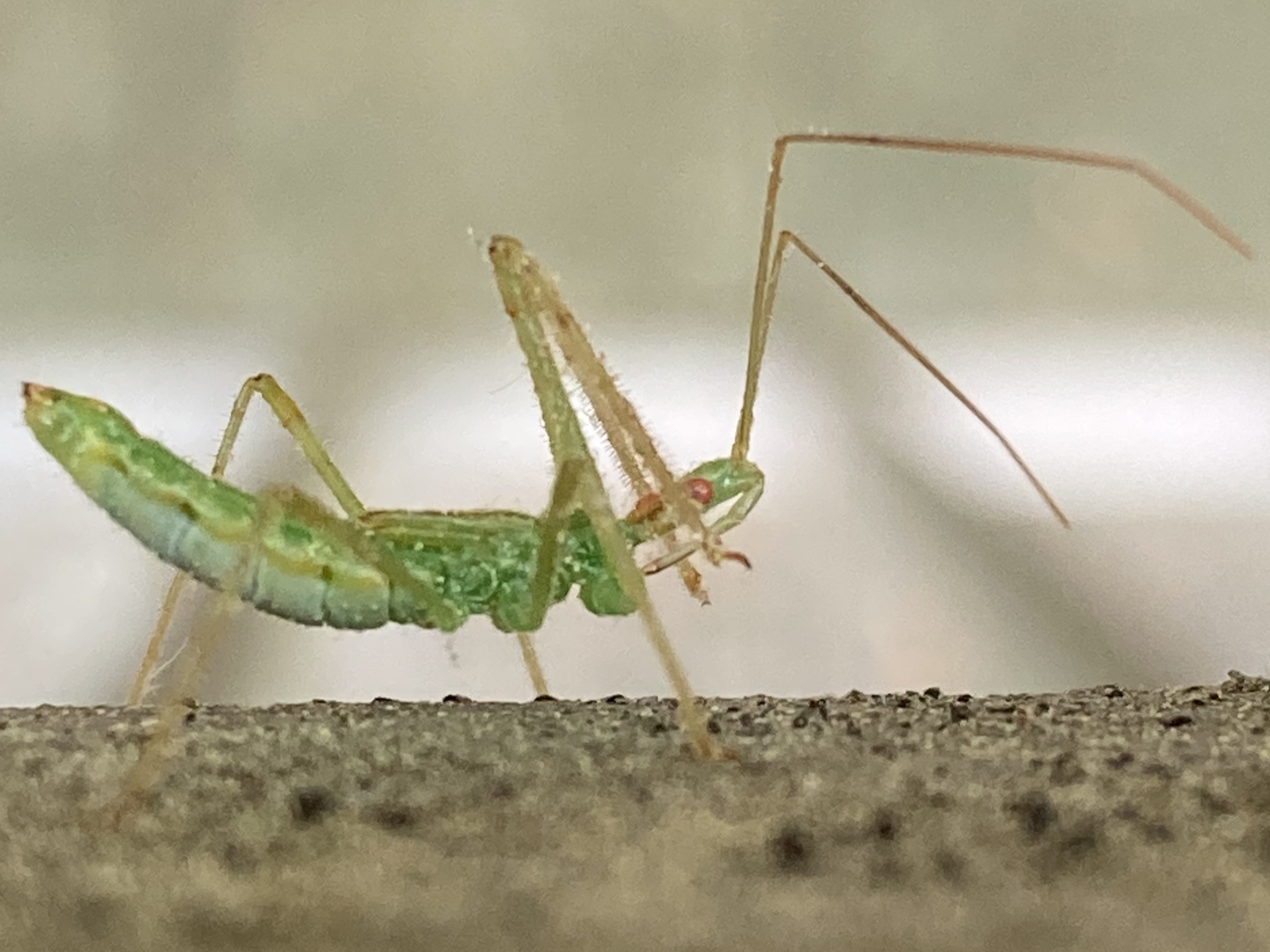
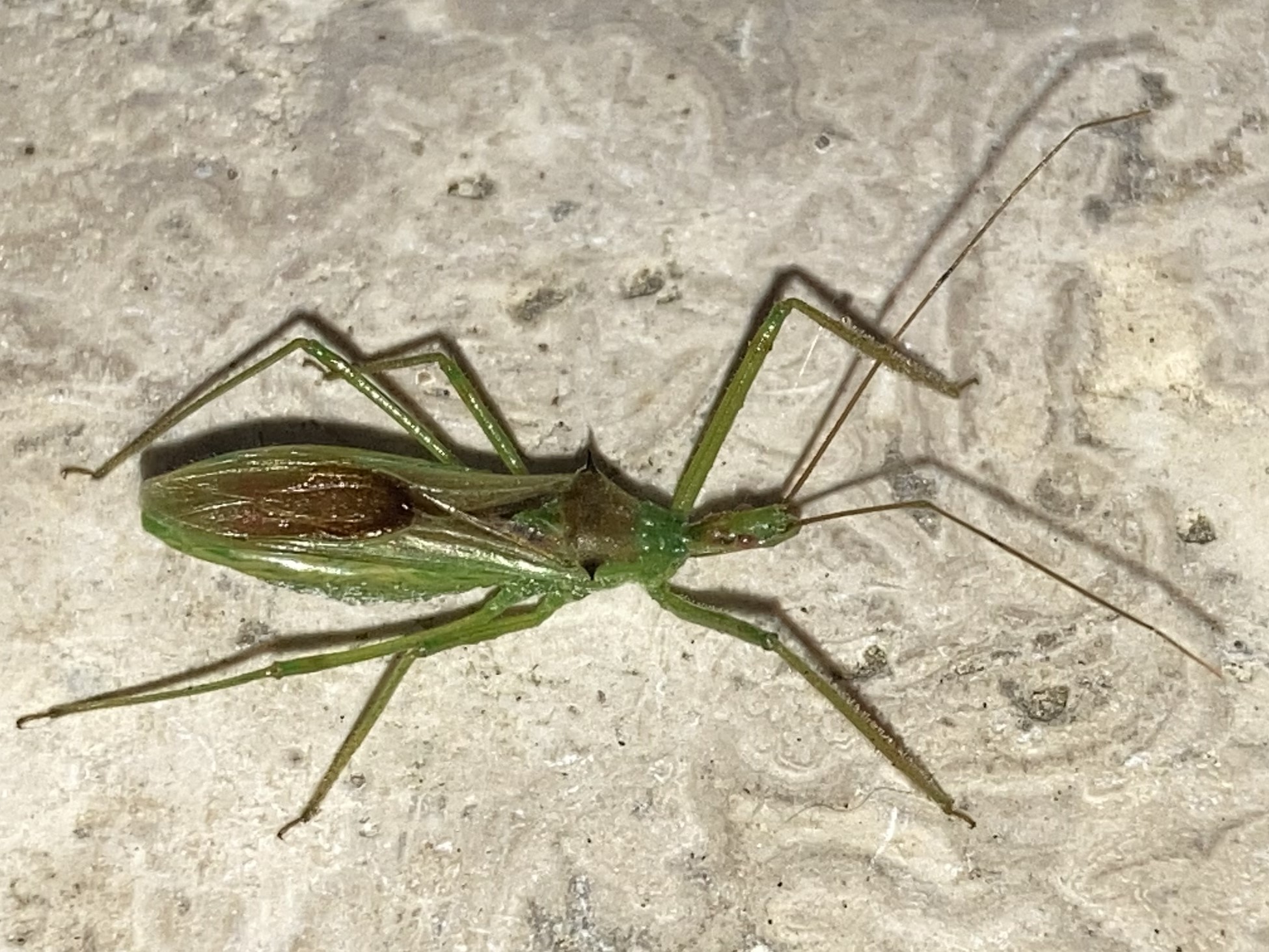
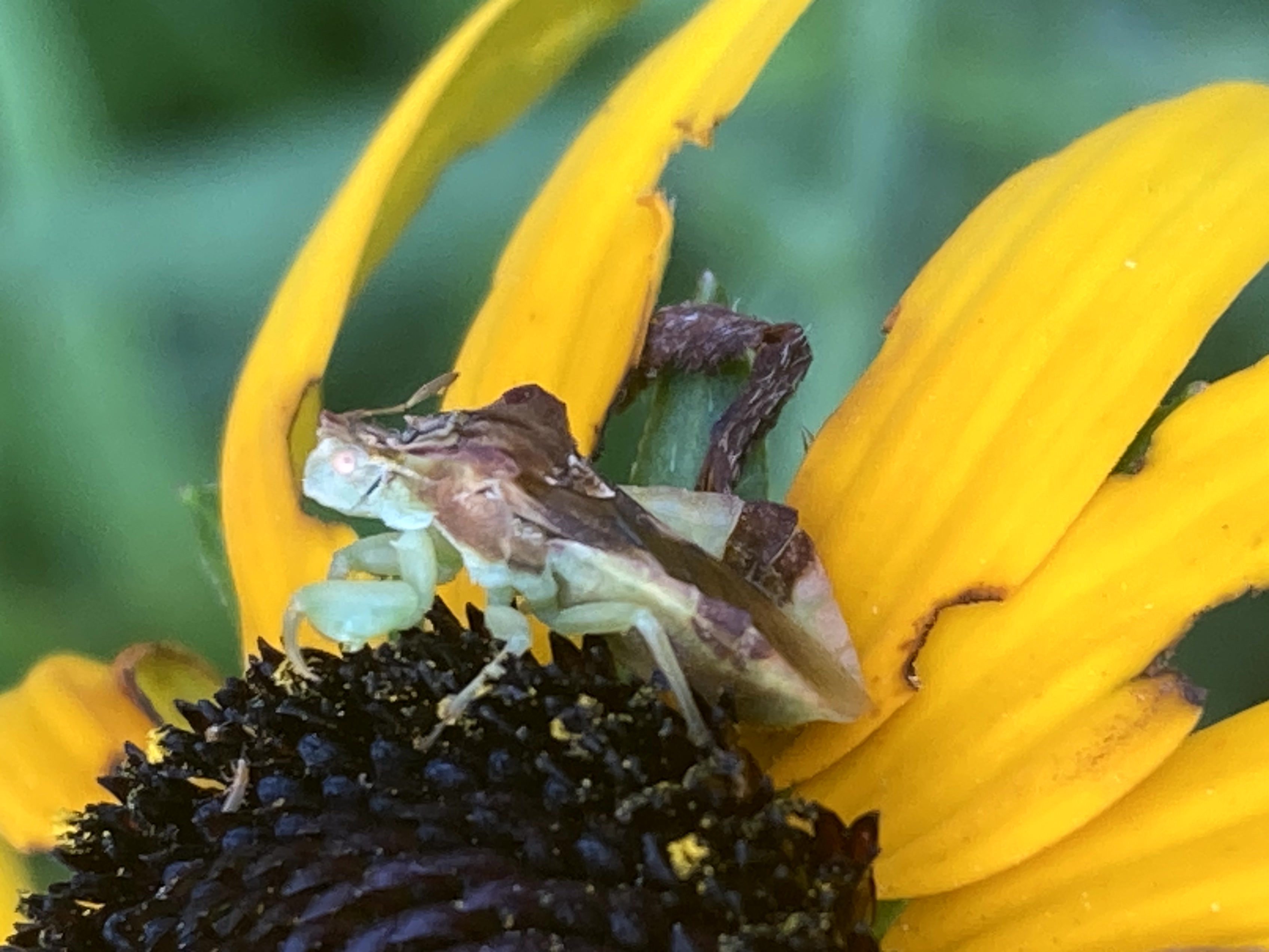
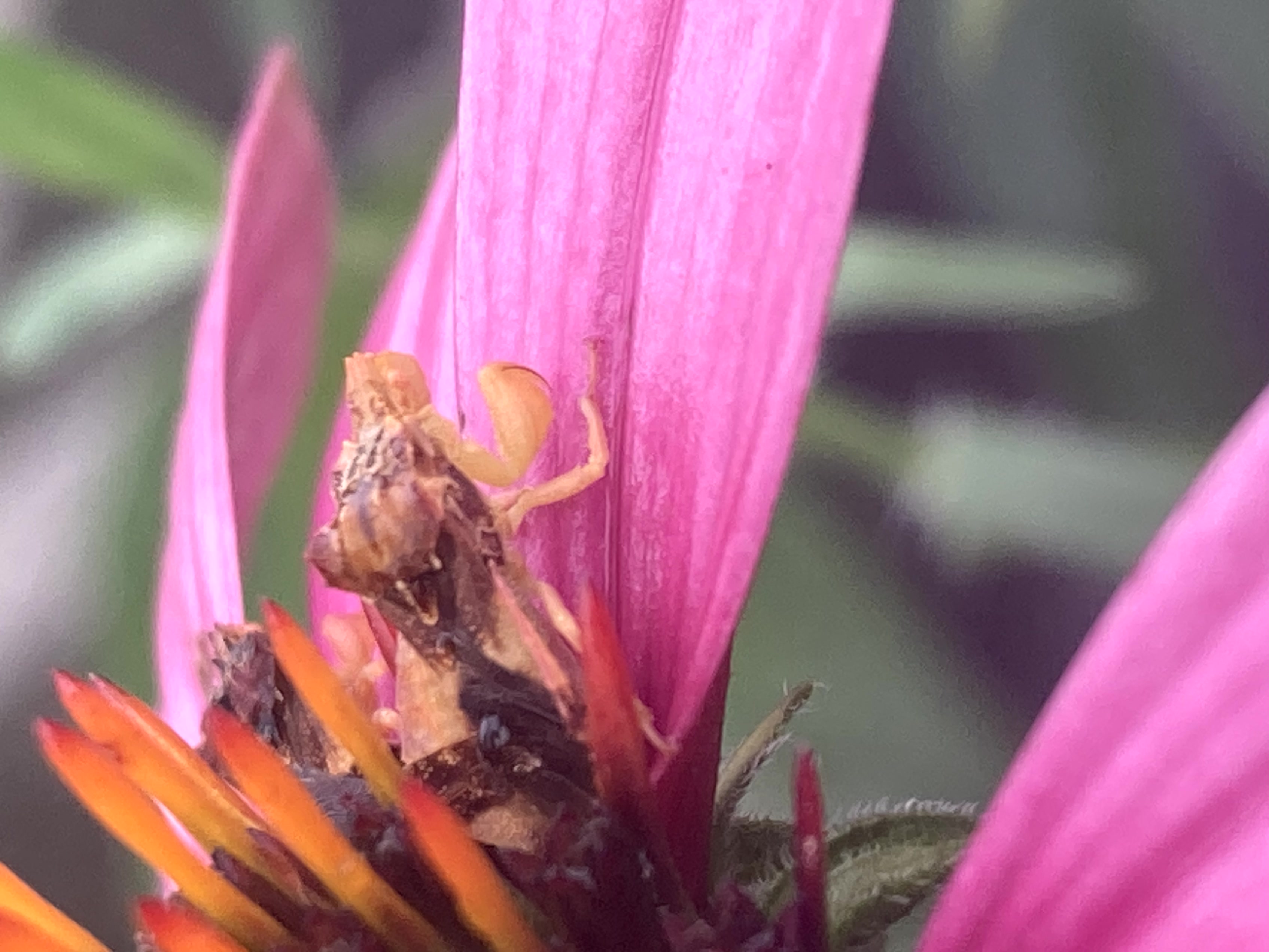
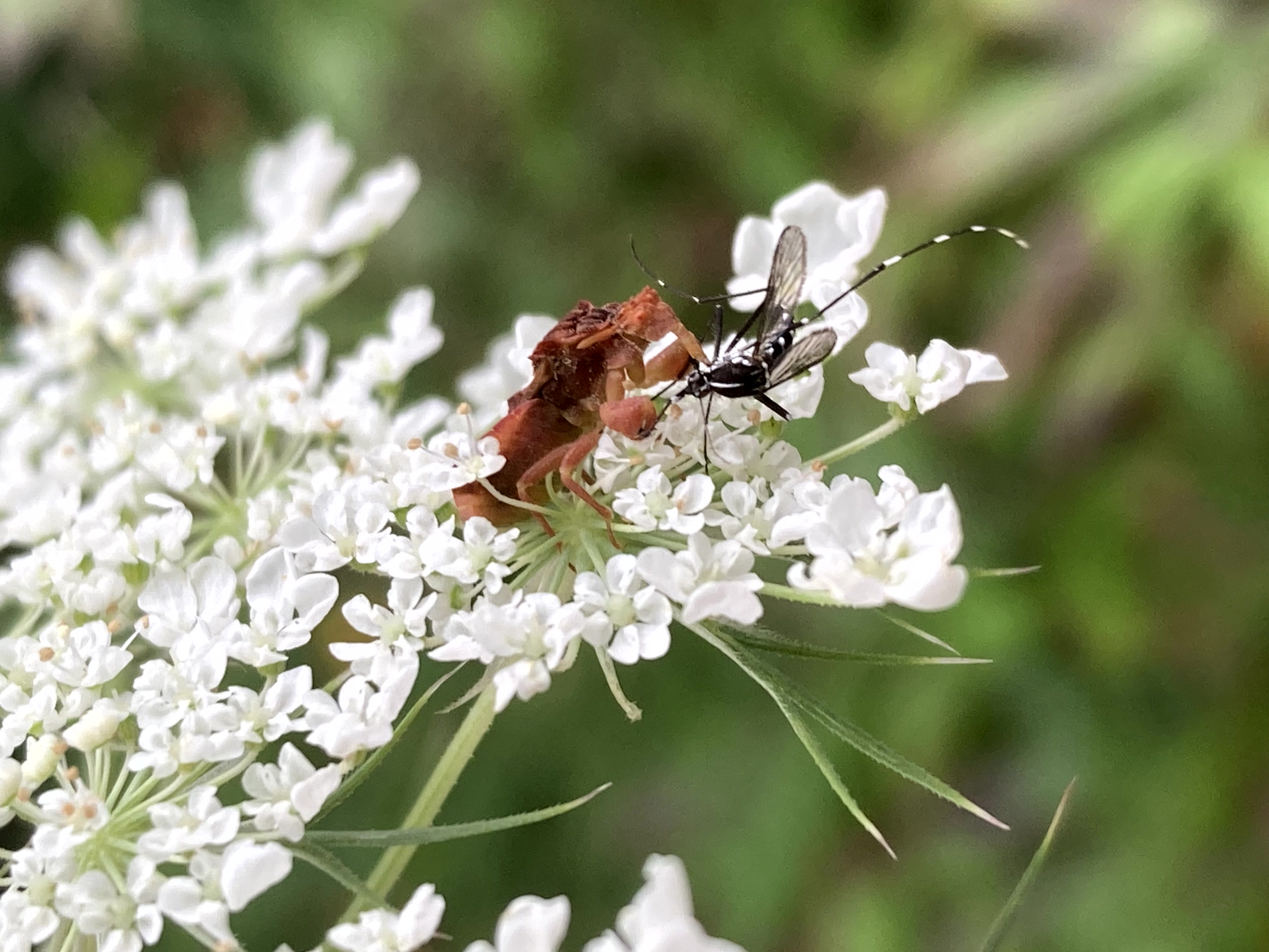
Pale Green Assassin Bug
Zelus luridusThey possess glands on their legs that produce a sticky substance aiding in the capture of prey.
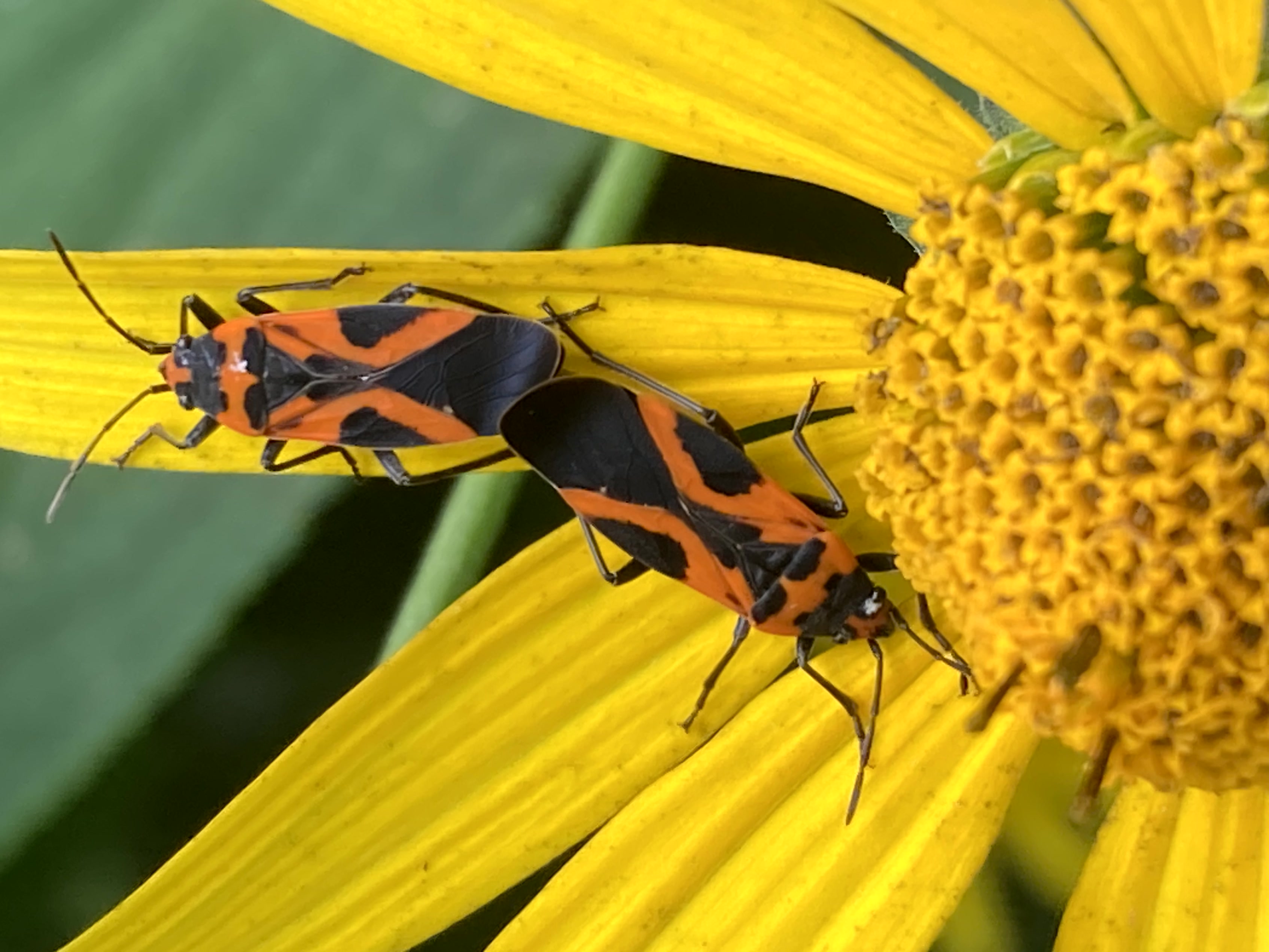
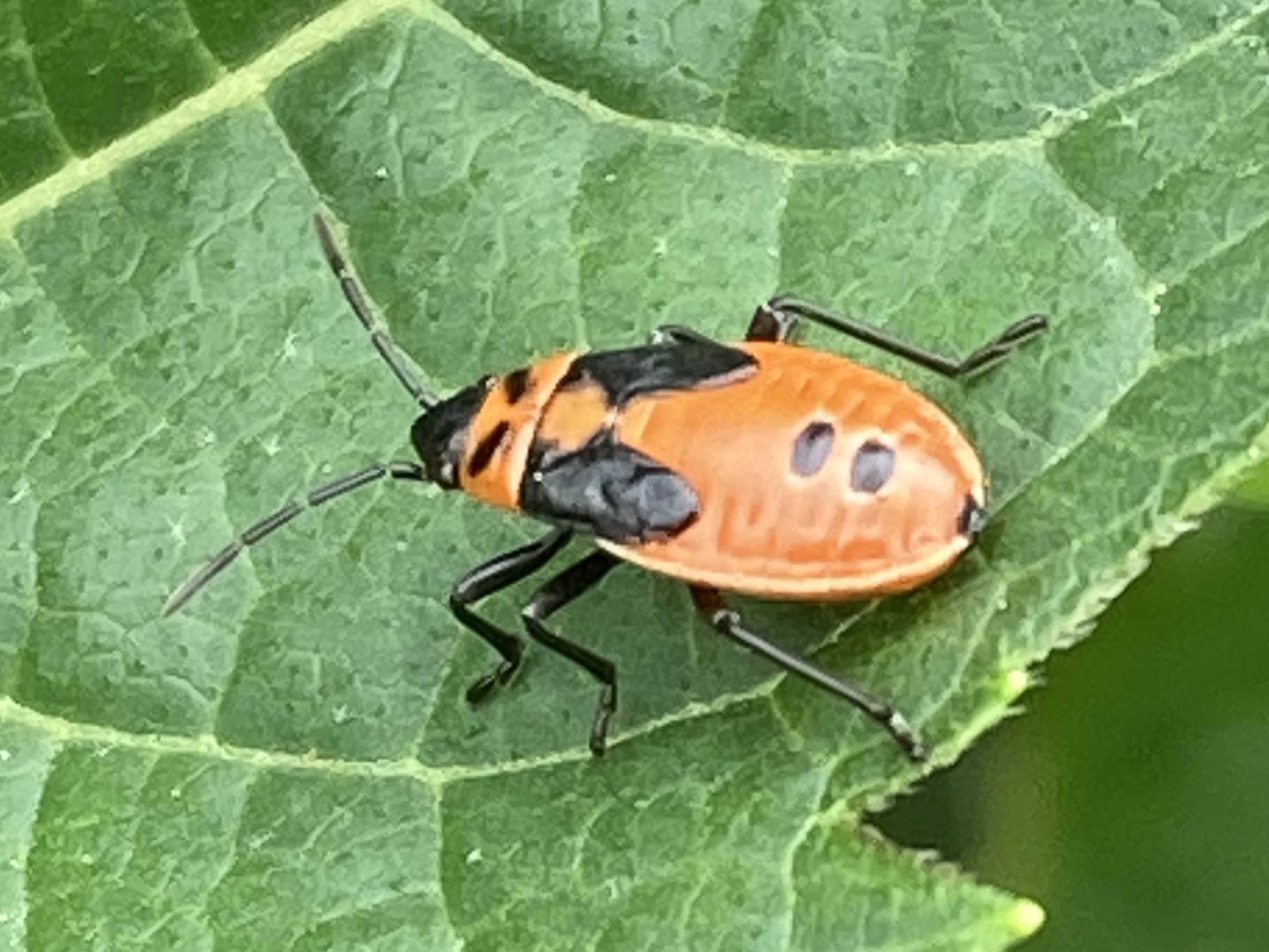
False Milkweed Bug
Lygaeus turcicusUnlike the large and small milkweed bugs which feed on milkweed, the false milkweed bug feeds on the false sunflower/ox-eye.
.jpg "Nepal, Oct. 2025")
.jpg "Nepal, Oct. 2025")